Contaminated Water Cleanup & Sewage Disinfection Guide
What to Know About Sewage Cleanup & Disinfection
Sewage backups are more than just a messy inconvenience; they pose serious health risks and can cause significant property damage if not handled properly. For homeowners, business owners, and property managers in Ventura County, understanding the dangers of sewage and the importance of contaminated water cleanup is essential.
In this guide, we’ll explain what sewage cleanup involves, why professional intervention is necessary, and how you can protect your property and loved ones.
What is Sewage Backup?
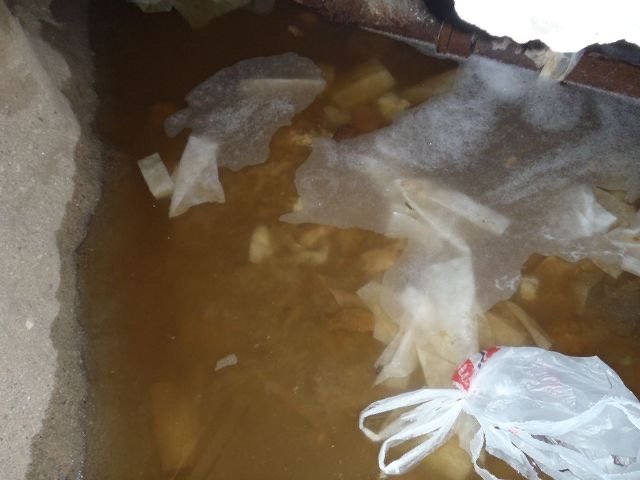
A sewage backup occurs when wastewater from toilets, sinks, or drains flows back into your home or business. Common causes include:
Clogged or damaged pipes
Heavy rainfall or flooding
Malfunctioning septic systems
Overloaded municipal sewer lines
Signs of a sewage problem can include foul odors, slow drains, water pooling around drains, or visible sewage. It’s also important to understand the types of water contamination:
Black water: Highly contaminated sewage requiring professional contaminated water cleanup
Grey water: Slightly contaminated water from sinks or appliances
Clean water: Usually from broken pipes or appliances; still needs proper handling
The Dangers of Sewage
Sewage water contains bacteria, viruses, and other pathogens that can make people sick. Exposure can lead to gastrointestinal infections, skin irritation, and respiratory issues. Beyond health risks, sewage can cause:
Structural damage to floors, walls, and foundations
Mold and mildew growth
Odor that penetrates furniture and carpets
Damage to personal belongings and electronics
The longer sewage remains, the worse the damage and health risks become. This is why immediate contaminated water cleanup is critical.
Why Professional Cleanup is Necessary
While it might be tempting to handle small sewage problems yourself, DIY cleanup often leaves behind bacteria and hidden moisture. Professional sewage cleanup teams use:
Protective gear to prevent exposure to pathogens
Industrial-grade pumps and vacuums
EPA-approved disinfectants and sanitizers
Moisture detection tools to prevent hidden damage
Professional teams ensure that contaminated areas are fully cleaned, disinfected, and dried, preventing long-term health risks and structural damage. Choosing professional cleanup vs DIY can make the difference between safe restoration and ongoing contamination issues.
Step-by-Step Sewage Cleanup Process
Sewage backups are not just about visible water; they introduce hazardous pathogens, damage building materials, and create the perfect environment for mold growth. Professional contaminated water cleanup is essential to ensure your property is safe, sanitary, and fully restored. Here’s an in-depth look at the process:
1. Assessment of the Situation
The first step in any professional sewage cleanup is a thorough assessment of the affected area. Trained technicians carefully inspect the property to:
Determine the extent of contamination, including visible water, soaked materials, and hidden moisture
Classify the type of sewage involved:
Category 1: Clean water from appliances or plumbing
Category 2: Grey water with some contamination
Category 3: Black water, highly contaminated sewage
Identify sensitive areas and contents such as electronics, documents, or furniture that may require special handling
Develop a customized cleanup plan to safely remove contamination while minimizing property damage
A detailed assessment ensures that every step of contaminated water cleanup is targeted and efficient.
2. Water Extraction and Removal
Once the assessment is complete, professionals begin the water removal phase. This step is critical because standing sewage water can quickly seep into walls, flooring, and other materials, causing structural damage and mold growth. Key actions include:
Using industrial-grade pumps and wet/dry vacuums to remove water quickly and efficiently
Ensuring that all affected areas, including basements, crawl spaces, and hard-to-reach corners, are thoroughly drained
Monitoring water removal progress using moisture meters to prevent residual water pockets
Fast water extraction is a critical step in contaminated water cleanup.
3. Cleaning and Disinfection
Sewage water contains harmful bacteria, viruses, and other pathogens, making proper cleaning and disinfection crucial. Professional teams follow a structured process to restore sanitation:
Physical cleaning: All surfaces, including floors, walls, and fixtures, are scrubbed to remove debris, sludge, and biological material
Disinfection methods using EPA-approved products to eliminate bacteria
Surface evaluation: Porous materials like carpets, drywall, and insulation are assessed for damage; some may require removal and replacement
Odor neutralization: Specialized treatments are used to eliminate lingering odors caused by organic contamination
This step ensures a safe, sanitary environment and reduces bacterial contamination risks.
4. Drying and Moisture Control
Even after water removal, hidden moisture can remain trapped in walls, subfloors, and other structures. If left untreated, this moisture can lead to mold growth, wood warping, and structural weakening. Professionals address this using:
High-capacity dehumidifiers to remove excess moisture from the air
Air movers and fans to circulate dry air throughout affected areas
Thermal imaging and moisture sensors to detect hidden dampness in walls, ceilings, and flooring
Continuous monitoring to ensure that all areas are completely dry before restoration begins
Proper drying is an essential part of professional contaminated water cleanup.
5. Restoration and Odor Removal
The final step in sewage cleanup is restoring your property to its original, safe condition. This phase may involve:
Repairing structural damage, such as replacing drywall, flooring, or insulation
Restoring affected surfaces and contents where possible, including furniture, cabinetry, and personal items
Odor removal and deodorization using professional-grade techniques to ensure no lingering sewage smell
Preventive measures to minimize the risk of future sewage issues, such as plumbing inspection or backflow prevention
Following each step in contaminated water cleanup ensures your property is safe and fully restored.
Why Following Each Step Matters
Skipping any step in the sewage cleanup process can have serious consequences:
Incomplete water extraction allows bacteria to grow and weaken building materials
Insufficient cleaning or disinfection exposes occupants to pathogens
Poor drying encourages mold growth, which can cause respiratory problems and structural damage
Neglecting restoration and odor removal leaves your property unsanitary and uncomfortable
By following a systematic, professional process, experts ensure that the cleanup is thorough, safe, and long-lasting.
Content Pack-Outs and Salvageable Items
When sewage affects your property, some personal belongings can be saved with proper care. Professionals often perform a content pack-out, which involves:
Careful removal of items from contaminated areas to prevent further exposure
Categorizing items based on their salvageability (electronics, furniture, documents, textiles, etc.)
Cleaning and disinfection using industry-approved methods to eliminate bacteria and odors
Safe storage in controlled environments until the property is fully restored
Reinstallation of restored items back into your home or business once it is safe and dry
This process ensures that valuable and sensitive items are handled properly, minimizing loss and damage during sewage cleanup.
Insurance and Documentation
Proper documentation is crucial when filing insurance claims for sewage damage. Professionals assist property owners to make this process smooth and efficient. Key steps include:
Photographing all affected areas and items for accurate records
Creating detailed inventories of damaged property and personal belongings
Collecting estimates and repair documentation for insurance submissions
Working directly with insurance adjusters to ensure claims are processed quickly
Providing proof of professional cleanup and disinfection for added claim validation
By following these steps, property owners can maximize insurance coverage and reduce the stress of dealing with sewage damage.
Preventive Measures
While some sewage issues are unavoidable, regular maintenance and awareness can reduce the risk:
Schedule routine plumbing inspections
Avoid flushing wipes, grease, or other non-flushable items
Install backflow prevention systems
Be aware of seasonal risks, such as heavy rains or sewer backups
Choosing the Right Sewage Cleanup Service
When selecting a cleanup service, consider:
Certifications and experience: Look for IICRC-certified professionals
24/7 emergency availability for emergency sewage solutions
Local expertise: Family-owned companies often provide faster, more personalized service
Insurance assistance: Choose a team that guides you through claims
PDRS provides professional contaminated water cleanup to ensure safety, sanitation, and peace of mind.
Conclusion
Sewage backups are emergencies that require immediate professional attention. From water extraction and disinfection to content pack-outs and insurance assistance, expert contaminated water cleanup protects your property, health, and peace of mind.
If you’re dealing with a sewage backup or water damage, don’t wait. Call PDRS now for fast, reliable cleanup and disinfection in Ventura County and surrounding areas. Protect your health, your property, and your peace of mind today.
FAQs
1. What is contaminated water cleanup?
Contaminated water cleanup involves removing sewage or polluted water, disinfecting affected areas, drying materials, and restoring the property to a safe condition.
2. Why is professional sewage cleanup better than DIY?
Choosing professional cleanup vs DIY ensures proper disinfection, moisture detection, and restoration, reducing health risks and long-term property damage.
3. What are the health risks of sewage water?
Sewage water contains harmful bacteria and viruses, leading to gastrointestinal issues, skin irritation, respiratory problems, and other bacterial contamination risks.