
Crawl Space Clean Up: Safe Step-by-Step Homeowner Guide
How to Safely Clean and Sanitize Your Crawl Space
Your crawl space may stay hidden, yet it has a major impact on your home’s health. When moisture, debris, or mold build up underneath your house, the problems rarely stay contained. Instead, they often affect indoor air quality, structural stability, and even energy efficiency. Because of this, proper crawl space clean up is one of the most important maintenance tasks homeowners should not ignore.
Many property owners delay this work until odors or damage become obvious. However, early action prevents expensive repairs later. In this detailed guide, you will learn practical steps, safety tips, and best practices for completing a thorough crawl clean-up the right way.
Why Crawl Space Cleaning Matters
First, the air in your crawl space does not remain below your home. In fact, a large portion of indoor air moves upward from this area. Therefore, contamination underneath the house can circulate into living spaces. Regular crawl space clean up helps reduce allergens, odors, and airborne irritants that affect comfort indoors.
In addition, damp environments encourage mold growth and wood deterioration. Over time, this can weaken floor supports and increase repair costs. Routine maintenance protects both your property and your indoor environment.
Warning Signs Your Crawl Space Needs Attention
Before starting any work, it is important to recognize when your crawl space needs immediate care. Several indicators usually appear.
For example, persistent musty odors inside the home often signal moisture below the floor. Similarly, visible mold, damp insulation, or standing water are clear warnings. Pest activity may also suggest the need for crawl space debris removal to eliminate nesting materials and contamination sources.
Furthermore, rising indoor humidity and worsening allergy symptoms can point to hidden problems underneath the structure. When these signs appear, prompt crawl space clean up becomes essential.
Safety Precautions Before You Begin
Crawl spaces can contain harmful particles, so preparation matters. Before entering, gather proper protective equipment.
Recommended gear includes:
Respirator mask (N95 or P100)
Rubber or nitrile gloves
Safety goggles
Disposable coveralls
Knee protection
Bright flashlight
Most importantly, check for electrical hazards if water is present. If you notice deep standing water or sewage contamination, postpone DIY work and consider professional crawl space clean up services.
Step 1: Perform a Detailed Inspection
Every successful project begins with a careful inspection. Enter the crawl space and look closely at all surfaces.
Pay attention to:
Moisture sources
Plumbing leaks
Mold patches
Damaged insulation
Pest activity
Take photos to document conditions. At this stage, identifying the cause of moisture is critical. Otherwise, your crawl space clean up efforts may only provide temporary relief.
Step 2: Remove Debris and Damaged Materials
Next, begin clearing the area. Start with loose debris and contaminated materials that may be contributing to poor conditions.
This process often includes removing:
Fallen insulation
Wood scraps
Pest nesting materials
Construction debris
Proper crawl space debris removal improves airflow and eliminates sources of contamination. Place all waste into heavy-duty bags and seal them tightly before disposal. If insulation is soaked or moldy, discard it rather than attempting to reuse it.
Step 3: Eliminate Standing Water
Moisture control is the foundation of any successful cleanup. If water is present, immediate crawl space water removal is required.
Common water sources include:
Plumbing leaks
Poor exterior drainage
Groundwater intrusion
Foundation cracks
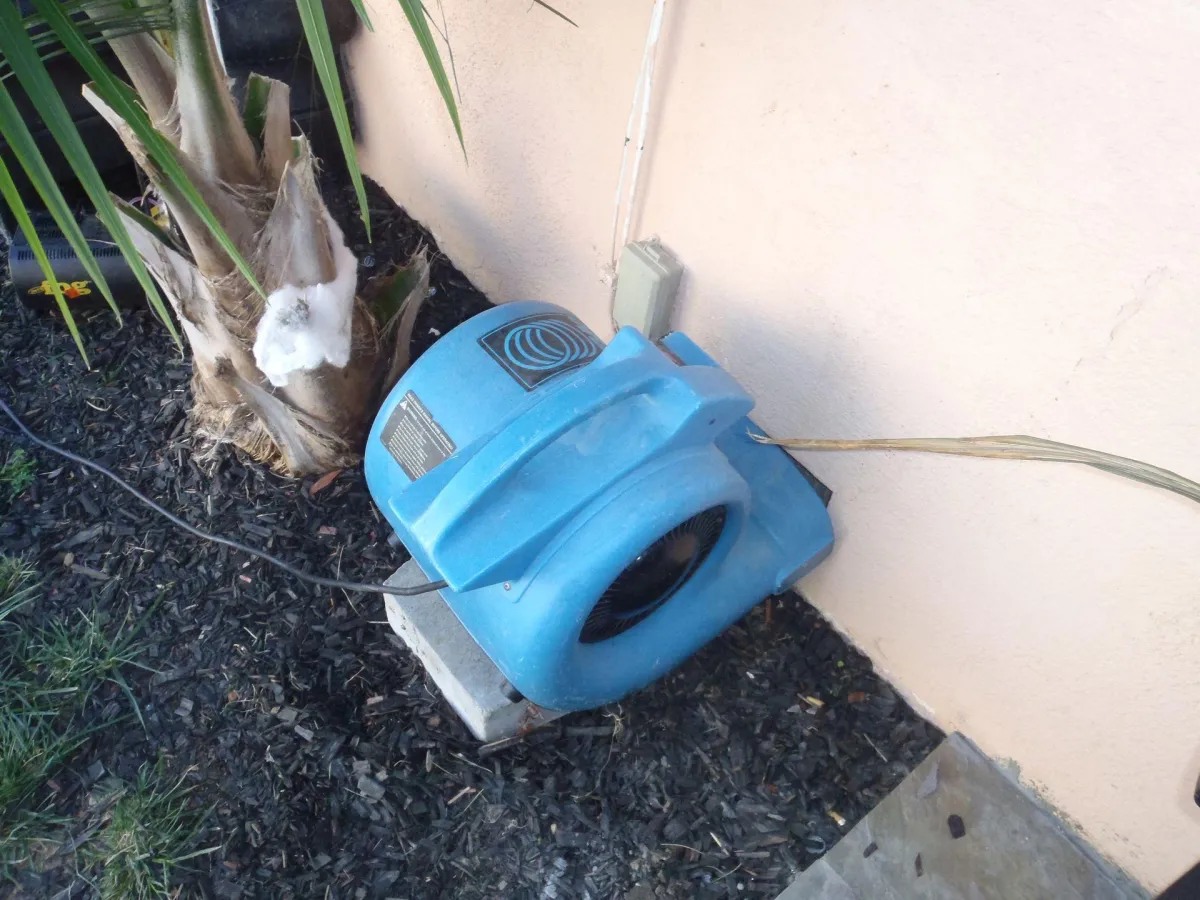
Use pumps, wet vacuums, or professional extraction equipment to remove standing water completely. Afterward, dry the area thoroughly using fans or dehumidifiers. Without proper drying, mold can return quickly, even after a thorough crawl space clean up.
Step 4: Control Excess Humidity
Even when standing water is gone, humidity can remain high. Therefore, the next step focuses on crawl space moisture cleanup to stabilize conditions.
Effective moisture control methods include:
Installing a vapor barrier
Sealing foundation vents when appropriate
Using a crawl space dehumidifier
Improving exterior drainage
Lower humidity makes the environment less suitable for mold and pests. As a result, your crawl space clean up efforts will last longer.
Step 5: Vacuum and Surface Clean
Once the area is dry, use a HEPA vacuum to remove fine dust and particles. Standard vacuums often recirculate contaminants, so filtration matters.
Focus on:
Floor surfaces
Wooden beams
Corners and edges
Remaining insulation
After vacuuming, wipe surfaces with a mild cleaning solution. This prepares the area for proper sanitation and improves overall crawl space clean up results.
Step 6: Treat Mold and Bacteria
If microbial growth is present, targeted treatment becomes necessary. Small affected areas can often be handled during mold in crawl space cleanup using professional-grade antimicrobial products.
Apply the cleaner according to label instructions and allow proper dwell time. Avoid oversaturating wood surfaces because excess moisture can create new problems.
However, if mold covers large sections, professional remediation is strongly recommended.
Step 7: Install or Repair the Vapor Barrier
A vapor barrier plays a major role in long-term protection. If your crawl space lacks one, installation should follow your main crawl space clean up process.
Proper installation requires:
Covering all exposed soil
Overlapping seams
Sealing edges to foundation walls
This barrier blocks ground moisture and significantly reduces future humidity issues.
Step 8: Improve Airflow and Monitoring
Finally, focus on long-term prevention. Good airflow and humidity control keep the area stable after your crawl space clean up is complete.
Consider:
Sealed crawl space access doors
Dehumidifier installation
Periodic inspections
Moisture monitoring devices
Regular checks help catch problems early before they grow into major repairs.
When Professional Help Is Best
Although many homeowners handle minor work themselves, some situations require trained specialists.
Seek professional crawl space clean up if you notice:
Extensive mold coverage
Sewage contamination
Structural wood damage
Persistent strong odors
Recurring water intrusion
Experts have advanced drying equipment and moisture detection tools that improve results and safety.
Preventive Maintenance Tips
After finishing your cleanup, consistent maintenance keeps the space in good condition.
Helpful habits include:
Inspecting twice per year
Keeping gutters clear
Maintaining proper yard grading
Checking plumbing regularly
Monitoring indoor humidity
Preventive care reduces the need for major crawl space clean up projects in the future.
Conclusion
Proper crawl space maintenance protects your home from moisture damage, mold growth, and poor air quality. By following safe inspection, drying, cleaning, and prevention steps, homeowners can maintain a healthier structure and indoor environment. When conditions become severe, professional assistance ensures the job is handled thoroughly and safely.
Need reliable crawl space clean up from Property Damage Restoration Services? Our experienced team delivers fast, thorough results. Contact Property Damage Restoration Services today for professional crawl space clean up you can trust.
FAQs
1. How often should a crawl space be cleaned?
Most homes benefit from inspection at least twice per year. However, if your property has moisture issues or past mold problems, more frequent crawl space clean up may be necessary.
2. Can I handle crawl space cleaning myself?
Minor debris removal and light cleaning can be done by homeowners with proper safety gear. Nevertheless, extensive mold, sewage contamination, or structural damage should be handled by professionals.
3. How long does crawl space clean up usually take?
The timeline depends on the size and condition of the crawl space. Small projects may take a few hours, while severe moisture or mold situations can require one to three days.
4. Will cleaning my crawl space improve indoor air quality?
Yes. Because air from the crawl space can circulate into your home, proper cleaning and moisture control often reduce musty odors, allergens, and humidity inside living areas.