Emergency Sewage Cleanup Guide for Home & Family Safety
Emergency Sewage Cleanup: How to Protect Your Family & Property
Sewage backups are among the most hazardous property emergencies a homeowner or business can experience. Unlike clean water leaks from a pipe or appliance, sewage contains bacteria, viruses, parasites, and toxic contaminants that can threaten your health within minutes of exposure.
A fast and professional emergency sewage cleanup is essential to protect your family, prevent long-term structural damage, and restore a safe living environment. Many property owners underestimate how quickly contamination spreads, which often leads to more expensive repairs and extended health risks.
This guide explains what to do during a sewage emergency, why professional cleanup is critical, how the restoration process works, and how to prevent future sewage disasters.
Why Sewage Backups Are a Serious Health Hazard
Sewage water, often referred to as black water, is the most dangerous category of water damage. It contains harmful pathogens, bacteria, and toxic gases that make indoor spaces unsafe almost immediately.
Sources of sewage contamination include:
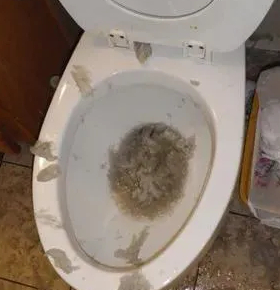
Toilet overflows and drain backups
Sewer line failures or blockages
Septic tank leaks and failures
Floodwater mixed with waste
Broken municipal sewer systems
Because contamination spreads quickly through flooring, walls, furniture, and air systems, immediate emergency sewage cleanup is required to stop exposure and limit damage.
Health risks linked to sewage exposure
Contact with sewage can lead to both short-term illness and long-term health complications.
Common health risks include:
Respiratory infections from airborne bacteria
Skin infections and irritation
Digestive illness from harmful microorganisms
Allergic reactions and asthma flare-ups
Long-term exposure to mold growth
Even a small sewage leak can contaminate an entire living space within hours, which is why quick emergency sewage cleanup is critical.
Common Causes of Sewage Backup
Understanding the most common causes of sewage backups helps property owners respond faster and reduce future risks.
1. Clogged sewer lines
Many backups occur because items that should never be flushed end up in plumbing systems.
Typical causes include:
Grease and cooking oils are poured down drains
Paper towels and “flushable” wipes
Hygiene products and diapers
Hair and soap buildup
Over time, these materials create blockages that lead to dangerous backups.
2. Tree root intrusion
Tree roots naturally grow toward moisture. Sewer pipes provide the perfect environment for roots to invade and crack pipes. This often leads to sewer backup symptoms such as slow drains, bubbling toilets, and unpleasant odors.
3. Heavy rainfall and flooding
Stormwater can overwhelm city sewer systems. When capacity is exceeded, wastewater may flow back into homes and businesses.
4. Aging plumbing systems
Older properties often have clay or cast-iron pipes that deteriorate over time. Cracks, corrosion, and collapsed pipes are major causes of sewage emergencies.
Immediate Steps to Take During a Sewage Emergency
Fast action reduces health risks and prevents contamination from spreading throughout your property.
Step 1: Evacuate the affected area
Avoid contact with contaminated water immediately.
Important actions:
Keep children and pets away
Avoid walking through contaminated areas
Prevent cross-contamination by limiting movement
Step 2: Shut off electricity if safe
Water and electricity are extremely dangerous together. Turning off the power prevents electrical hazards and fire risks.
Step 3: Stop using plumbing fixtures
Using sinks, showers, or toilets can worsen the backup and spread contamination further.
Step 4: Call professionals immediately
Rapid emergency sewage cleanup helps prevent bacteria and contaminants from spreading to unaffected areas.
Why DIY Sewage Cleanup Is Dangerous
Many property owners attempt to clean sewage damage themselves. Unfortunately, this often leads to incomplete cleanup and serious health risks.
Risks of DIY cleanup
Exposure to harmful pathogens
Inadequate disinfection of surfaces
Hidden moisture leading to mold growth
Long-term odors trapped in materials
Cross-contamination to other rooms
Professionals follow strict wastewater cleanup safety standards, using protective equipment and specialized cleaning solutions.
Professional Sewage Cleanup Process
Certified restoration teams follow a detailed process to complete safe and effective sewage cleanup.
1. Inspection and contamination assessment
Technicians identify contaminated areas and determine the severity of damage using advanced tools and testing methods.
2. Containment and safety setup
Containment systems prevent airborne contaminants from spreading to clean areas of the property.
3. Removal of contaminated materials
Porous materials absorb sewage and must often be removed to ensure safety.
Common materials removed include:
Carpets and padding
Drywall and insulation
Upholstered furniture
Damaged flooring
4. Deep cleaning and disinfection
This step is part of complete professional sewage remediation, eliminating bacteria, viruses, and harmful pathogens.
5. Drying and dehumidification
Industrial drying equipment removes hidden moisture trapped behind walls and under flooring.
6. Odor removal and air purification
Air scrubbers and deodorization systems restore indoor air quality after sewage cleanup.
The Hidden Risk of Mold After Sewage Damage
Sewage moisture creates ideal conditions for mold growth within 24–48 hours. Without fast emergency sewage cleanup, mold can spread quickly throughout your property.
Signs that mold may be developing
Musty or earthy odors
Dark spots on walls or ceilings
Increased allergy symptoms
High indoor humidity levels
Professional drying and moisture detection help prevent long-term mold problems.
Protecting Your Family During Cleanup
Your family’s safety should remain the top priority until restoration is complete.
Safety tips during cleanup
Avoid contaminated areas completely
Wash your hands frequently
Keep HVAC systems off until inspected
Dispose of contaminated items safely
Follow professional guidance before re-entering affected areas
These precautions reduce exposure to harmful bacteria and airborne contaminants.
How Sewage Damage Affects Your Property
Beyond health risks, sewage damage can severely impact the structure and value of your property.
Potential property damage includes
Warped hardwood flooring
Damaged drywall and insulation
Electrical system hazards
Structural weakening
Persistent odors
Immediate emergency sewage cleanup helps reduce long-term repair costs.
Working With Insurance After a Sewage Backup
Many homeowners worry about sewage damage insurance coverage after a sewage disaster.
Professional restoration companies assist by:
Documenting damage with photos and reports
Providing cleanup documentation
Communicating with insurance adjusters
Supporting claims processing
This support simplifies the recovery process.
Preventing Future Sewage Emergencies
Routine maintenance can reduce the risk of future backups.
Prevention tips
Avoid flushing wipes or grease
Schedule annual sewer inspections
Install backflow prevention valves
Monitor slow drains and unusual odors
Maintain trees near sewer lines
Prevention reduces the need for future emergency sewage cleanup.
Conclusion
Sewage backups are serious health emergencies that require fast action and professional care. Prompt emergency sewage cleanup protects your family, restores indoor air quality, and prevents long-term structural damage.
Need immediate help after a sewage backup? Contact Property Damage Restoration Services for 24/7 emergency sewage cleanup, fast response, expert disinfection, and full restoration support for your home or business.
FAQs
1. How fast should sewage cleanup start?
Cleanup should begin as soon as possible, ideally within the first 24 hours, to reduce contamination, mold growth, and structural damage.
2. Can sewage contamination spread to other rooms?
Yes, bacteria and airborne particles can spread quickly through airflow and foot traffic, which is why professional containment is important.
3. What items usually cannot be saved after sewage damage?
Porous materials such as carpets, insulation, drywall, and upholstered furniture often need removal for safety reasons.
4. Is professional disinfection necessary after a backup?
Yes, professional disinfecting removes harmful bacteria, viruses, and odors that regular cleaning cannot eliminate.