How to Handle Sewage Backup and Overflow in Your Home Fast
How to Handle Sewage Backup and Overflow in Your Home
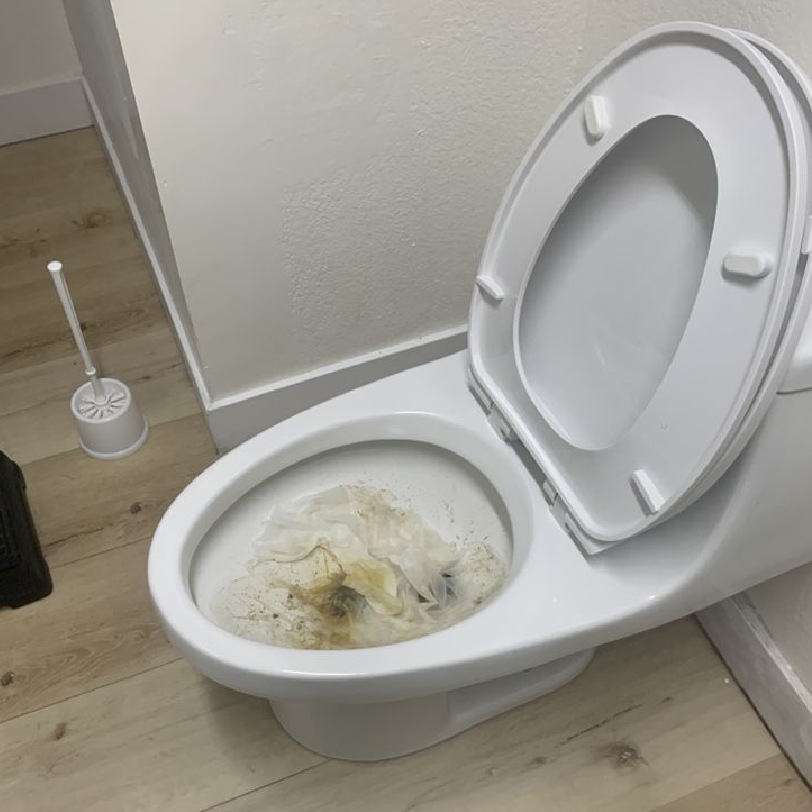
Imagine walking into your home and noticing a strong foul odor, damp floors, and contaminated water spreading across the room. Situations like this can occur suddenly and quickly create both health hazards and serious property damage. When wastewater cannot move properly through the plumbing system, it may reverse direction and enter the house through drains, toilets, or sinks. This often leads to sewage overflow, spreading contaminated water across floors, walls, and belongings.
Beyond the mess and odor, this problem carries health risks because contaminated water may contain bacteria, viruses, and other harmful pathogens. Understanding how to respond quickly and safely during a sewage backup can help reduce damage and protect your household.
Understanding What Happens During a Sewage Backup
This problem occurs when the main sewer line or household plumbing system becomes blocked or damaged. Instead of wastewater leaving the home, it returns through the plumbing system and collects inside the property.
This type of contamination is often referred to as “black water,” which is the most hazardous category of water damage. Black water may contain bacteria, parasites, fungi, and chemicals that can affect both property and health.
When this situation happens, it can appear in various areas of the home, including:
Basement floor drains
Toilets
Showers and bathtubs
Laundry drains
Utility sinks
The sooner homeowners respond to the problem, the easier it becomes to limit damage and prevent long-term issues such as mold growth or structural deterioration.
Common Causes of Sewage Problems in Homes
Several factors can contribute to plumbing failures that cause wastewater to flow back into a home. Understanding these causes can help homeowners reduce the risk of future plumbing emergencies.
Blocked Sewer Lines
One common cause is a clogged sewer line. Over time, grease, soap residue, hair, food particles, and debris build up inside pipes. As the blockage grows, it restricts the normal flow of wastewater and forces it to move back through the plumbing system.
Flushing non-flushable materials such as wipes, paper towels, cotton swabs, and hygiene products can also block sewer lines.
Tree Root Intrusion
Tree roots are another frequent problem. Roots naturally grow toward underground moisture sources, and small cracks in sewer pipes can allow them to enter. As the roots expand inside the pipe, they narrow the passage and eventually block wastewater flow into the municipal system.
Heavy Rain and Sewer System Overload
During severe storms, municipal sewer systems can become overwhelmed with stormwater. When the system reaches capacity, wastewater may be pushed back into residential plumbing systems.
Aging or Damaged Pipes
Older plumbing systems are more vulnerable to pipe deterioration. Corrosion, shifting soil, or ground movement can cause pipes to crack or collapse, creating blockages that result in wastewater returning to the house.
Warning Signs Before a Sewage Backup Occurs
Many plumbing systems show warning signs before a major problem develops. Recognizing these signals early can help homeowners take action before contaminated water spreads throughout the property.
Common warning signs include:
Slow drains in multiple sinks or bathtubs
Toilets make gurgling sounds after flushing
Foul sewage odors are coming from the drains
Water backs up in the shower when the toilet is flushed
Repeated drain clogs across the house
If these symptoms appear, it is important to inspect the plumbing system immediately or contact professionals who specialize in sewage backup cleanup.
Immediate Steps to Take When Sewage Enters Your Home
When wastewater starts entering the home, quick action can help control contamination and limit property damage. The following steps outline how to respond safely.
Stop Using Plumbing Fixtures
The first step is to stop using all plumbing fixtures immediately. Avoid flushing toilets, running sinks, or using appliances that require water.
Adding more water to the plumbing system can worsen the situation and spread contamination further.
Turn Off Electricity if Necessary
If contaminated water reaches electrical outlets, appliances, or wiring, shut off power to the affected area to avoid electrical hazards.
Wear Protective Equipment
Sewage water contains dangerous microorganisms. Anyone entering the affected area should wear protective gear such as:
Rubber gloves
Waterproof boots
Face masks
Protective clothing
These precautions reduce the risk of exposure to bacteria and pathogens.
Keep Children and Pets Away
Contaminated areas should be isolated until cleanup is complete. Children and pets should not enter areas affected by sewage water.
Document the Damage
Before cleanup begins, take photos or videos of the affected areas. This documentation may help support insurance claims.
Contact Restoration Specialists
Professional restoration services handle sanitation and repair procedures safely. Experts trained in sewage water damage restoration use specialized equipment to remove contaminated water and disinfect surfaces.
How Professional Sewage Cleanup Works
Cleaning contaminated water requires proper procedures and equipment. Restoration professionals follow a structured process to ensure the property becomes safe again.
Inspection and Damage Assessment
Technicians inspect the home to determine the source of the plumbing problem and evaluate the extent of contamination.
Water Extraction
Powerful pumps and extraction tools remove contaminated water quickly. Rapid removal prevents additional damage to floors, drywall, and structural materials.
Removal of Contaminated Materials
Some materials absorb sewage water and cannot be safely sanitized. These materials may include carpets, insulation, or drywall. In situations where contamination occurs in lower levels of the house, specialists may perform basement sewage backup cleanup to remove damaged materials and restore the space.
Cleaning and Sanitization
Professional cleaning solutions eliminate bacteria, pathogens, and harmful microorganisms from affected surfaces.
Drying and Dehumidification
Industrial air movers and dehumidifiers remove moisture from walls and flooring to prevent mold growth.
Restoration and Repairs
Once cleanup and drying are complete, technicians repair or replace damaged materials to restore the home.
Health Risks Associated With Sewage Exposure
Sewage contamination can pose serious health risks if not handled properly. Wastewater contains microorganisms that may cause illness through direct contact or airborne particles.
Possible health effects include:
Skin irritation or infection
Respiratory problems
Gastrointestinal illness
Allergic reactions
These risks highlight the importance of professional sewage backup cleanup and proper sanitation procedures.
Preventing Future Sewage Problems
Although some plumbing problems cannot always be prevented, homeowners can take several steps to reduce the risk of wastewater flowing back into the home.
Dispose of Grease Properly
Cooking oils and grease should never be poured down the drain. Instead, place them in a container and dispose of them in the trash.
Avoid Flushing Improper Items
Only toilet paper should be flushed. Wipes and hygiene products should always go in the trash.
Schedule Routine Plumbing Inspections
Regular inspections allow professionals to detect pipe damage, blockages, or root intrusion before serious problems occur.
Install Backflow Protection
A backwater valve can prevent sewage from flowing back into your home during heavy rain or sewer system overload.
Maintain Sewer Lines
Professional cleaning and maintenance of sewer lines help remove buildup and reduce the chance of blockages.
Conclusion
A sewage backup is a serious home emergency that requires immediate attention. Acting quickly, following proper safety precautions, and contacting restoration professionals can prevent further damage and reduce health risks.
By understanding the causes of plumbing failures and taking preventive measures, homeowners can protect their property and respond more effectively if a sewage problem occurs. When handled correctly, even severe sewage incidents can be cleaned and restored safely.
Facing a sewage backup emergency in your home? Contact Property Damage Restoration Services today for fast, professional cleanup and restoration. Our experienced team is available 24/7 to restore safety and comfort to your property.
FAQs
1. What should I do first during a sewage backup?
Immediately stop using sinks, toilets, and other plumbing fixtures. Avoid contact with contaminated water and contact professionals who handle sewage cleanup and restoration.
2. Is sewage contamination dangerous to health?
Yes. Contaminated wastewater may contain harmful bacteria, viruses, and other pollutants that can cause infections, breathing problems, and other health concerns.
3. Can I clean contaminated wastewater myself?
Minor spills may be handled with proper protective gear, but larger contamination should be cleaned by trained restoration specialists to ensure safe and complete sanitation.
4. Does homeowners' insurance cover sewer-related water damage?
Coverage varies by policy. Some insurance plans include protection for sewer backups, while others require additional coverage or endorsements.