Thermal Imaging Moisture Detection for Hidden Leaks
How Advanced Thermal Imaging Reveals Hidden Moisture Problems
Water damage often begins where you cannot see it. Moisture can hide inside walls, beneath flooring, and above ceilings for days or even weeks. Because of this, many property owners do not realize there is a problem until serious damage appears. Advanced infrared scanning has become one of the most reliable ways to find these hidden issues early.
Modern restoration professionals rely on this technology to locate moisture quickly and accurately. Instead of opening walls blindly, technicians can scan large areas and pinpoint trouble spots. As a result, property owners save time, money, and unnecessary repairs.
This guide explains how thermal imaging moisture detection works, why it matters, and when you should schedule an inspection.
Why Hidden Moisture Is a Major Risk
Moisture rarely stays contained. Once water enters building materials, it spreads through drywall, insulation, wood framing, and subfloors. Therefore, even a small leak can expand into a much larger problem.
Hidden moisture can cause:
Mold growth within 24–48 hours
Structural wood weakening
Warped or buckled flooring
Musty indoor odors
Peeling paint and drywall damage
In addition, prolonged dampness can attract pests and contribute to unhealthy indoor air. Because these problems develop out of sight, early thermal imaging moisture detection is critical for preventing expensive repairs and protecting indoor environments.
What Is Thermal Imaging Moisture Detection?
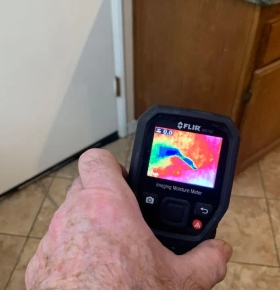
Infrared camera technology identifies temperature differences on surfaces to help locate potential moisture issues. Every material emits heat energy, although the human eye cannot see it. These specialized cameras convert that energy into color patterns that reveal temperature changes.
When moisture is present, evaporation usually cools the affected area slightly. Consequently, damp sections appear as distinct anomalies on the thermal display.
However, professionals do not rely on the camera alone. Instead, they combine infrared scanning with moisture meters to confirm the presence of water and avoid misinterpretation.
Step-by-Step: How the Process Works
Understanding the process helps property owners see why this technology is so effective.
Initial Visual Review
Technicians first examine the property for visible signs of water damage. However, they know many problems remain hidden behind surfaces.
Infrared Scanning
Next, specialists perform an infrared moisture inspection using advanced thermal cameras. They scan walls, ceilings, floors, and sometimes exterior surfaces systematically.
Identifying Temperature Patterns
Cooler areas may indicate damp materials. Therefore, technicians carefully evaluate the shape, size, and location of each anomaly.
Moisture Confirmation
After suspicious areas are identified, professionals use meters to verify readings. This step ensures accurate hidden moisture detection and eliminates false alarms.
Reporting and Action Plan
Finally, the technician documents findings and recommends drying or repairs. Because the moisture locations are precise, restoration becomes faster, cleaner, and more cost-effective.
Where Hidden Moisture Commonly Appears
Moisture can accumulate in many parts of a building. However, advanced infrared scanning frequently reveals problems in these high-risk areas:
Behind drywall: Plumbing leaks often soak insulation and framing without visible surface damage.
Under flooring: Water travels beneath hardwood, laminate, tile, and vinyl systems.
Ceiling cavities: Roof leaks and upstairs plumbing issues frequently remain unnoticed.
Around windows and doors: Poor sealing allows slow water intrusion over time.
Basements and crawlspaces: High humidity and groundwater create persistent damp conditions.
Because these locations are difficult to inspect visually, thermal scanning provides a major advantage and prevents overlooked damage.
Key Benefits of Thermal Imaging Technology
Modern restoration companies rely on advanced infrared scanning for several important reasons.
Non-Destructive Inspection
Technicians locate moisture without cutting into walls unnecessarily. Therefore, property disruption stays minimal, and cleanup costs remain lower.
Faster Results
Infrared cameras scan large areas. As a result, problems are identified in minutes rather than hours.
Greater Accuracy
When paired with meters, thermal imaging moisture detection significantly reduces guesswork and improves restoration planning.
Early Mold Prevention
Finding moisture early helps stop mold before it spreads into larger colonies.
Lower Repair Costs
Because issues are caught sooner, repairs usually remain smaller and more manageable.
Together, these advantages make thermal imaging an essential tool in modern property protection.
Thermal Imaging vs. Traditional Methods
Before infrared technology became common, inspectors relied mostly on visual clues and manual probing. Although those methods still have value, they often miss hidden moisture pockets.
Visual inspections only reveal surface damage. Meanwhile, random wall openings can be messy, expensive, and time-consuming. In contrast, advanced infrared scanning provides a broad, fast overview of the entire structure.
However, professionals still confirm results with moisture meters. This combined approach delivers the most reliable and defensible findings.
When You Should Schedule an Inspection
Certain situations make thermal camera water damage inspection especially important.
You should consider professional scanning if:
You recently experienced flooding
You suspect a slow pipe leak
You notice persistent musty smells
Your flooring shows unexplained changes
You are buying or selling property
Previous water damage may not have dried fully
In each of these scenarios, early detection can prevent extensive structural repairs and indoor air problems.
Thermal Imaging During Restoration
Professional restoration teams use thermal imaging moisture detection throughout the drying process, not just at the beginning.
First, they scan to map moisture spread. Next, they monitor drying progress daily to ensure equipment is working effectively. Finally, they verify complete dryness before reconstruction begins.
Many companies also provide moisture mapping services that visually outline affected zones for property owners and insurance providers. Consequently, everyone involved clearly understands the scope of the damage and the success of the drying process.
Limitations to Keep in Mind
Although highly effective, advanced infrared scanning does have limits.
Infrared cameras detect temperature differences rather than water itself. Therefore, confirmation tools remain necessary. Additionally, environmental conditions such as sunlight exposure, airflow patterns, and insulation thickness can influence readings.
Because of these variables, professional interpretation is essential. Experienced technicians understand how to separate real moisture problems from normal temperature variations.
Choosing the Right Professional
Not all contractors have the equipment or training required for accurate thermal inspections. Therefore, selecting a qualified provider is important.
Look for technicians who:
Use professional-grade infrared cameras
Verify findings with moisture meters
Provide clear written documentation
Have water damage restoration experience
Follow industry drying standards
Skilled specialists know how to apply thermal imaging moisture detection correctly and efficiently in real-world conditions.
Prevention Tips for Property Owners
While advanced detection tools are powerful, prevention still matters.
Schedule routine plumbing checks to catch slow leaks early. Keep roofs, flashing, and gutters well-maintained. Improve ventilation in kitchens, bathrooms, and crawlspaces to control humidity.
Additionally, consider installing smart leak detectors near appliances and water lines. These devices provide early alerts that can stop major damage before it begins.
Combining prevention with periodic thermal inspections provides the strongest long-term protection.
Conclusion
Thermal imaging moisture detection provides a fast, non-invasive way to reveal hidden water problems inside walls, ceilings, and floors. By identifying temperature variations linked to moisture, professionals can locate leaks early, guide precise drying, and prevent mold and structural damage. When used by trained experts alongside proper verification tools, this technology remains one of the most effective defenses against unseen water damage.
Need expert moisture detection? Contact Property Damage Restoration Services today for fast thermal imaging inspections that locate hidden water, prevent mold growth, and protect your property from costly damage.
FAQs
1. What is thermal imaging moisture detection?
Thermal imaging moisture detection uses infrared cameras to identify temperature differences that may indicate hidden water inside walls, ceilings, or floors. Professionals then confirm findings with moisture meters.
2. How accurate is thermal imaging for finding moisture?
When performed by trained technicians and verified with proper tools, thermal imaging is highly reliable for locating hidden moisture and guiding targeted drying and repairs.
3. When should I schedule a thermal moisture inspection?
You should schedule an inspection after flooding, suspected leaks, musty odors, unexplained wall or floor changes, or before buying or selling a property.
4. Can thermal imaging detect mold directly?
Thermal cameras do not see mold itself. However, they help locate damp areas where mold is likely to grow, allowing professionals to address the moisture source quickly.