Ultimate Water Damage Cleanup Guide | Full Restoration Tips
Ultimate Water Damage Cleanup Guide: From Initial Response to Full Restoration
Water damage is one of the most stressful situations a homeowner or business owner can face. Whether caused by a burst pipe, a severe storm, or a leaking appliance, the impact of water can be devastating. Beyond the immediate inconvenience, water can weaken structural components, destroy valuable possessions, and even cause mold growth that threatens health.
This guide will take you step by step through the entire process of water damage cleanup, from immediate response to full restoration, ensuring you know exactly what to do when water invades your space.
Understanding Water Damage
Not all water damage is the same. Recognizing the type and source of water is essential for effective water damage cleanup.
Types of Water Damage
Clean Water: Comes from uncontaminated sources like rainwater or broken pipes. While it seems harmless initially, it can become problematic if left untreated.
Gray Water: Found in water from washing machines, dishwashers, or toilet overflow (without feces), gray water may contain bacteria and requires careful handling.
Black Water: The most dangerous type, black water is contaminated with sewage, floodwater, or industrial waste. Direct contact should be avoided, and professional help is strongly recommended.
Common Causes
Water damage can happen unexpectedly. Some of the most common causes include:
Burst pipes or plumbing leaks due to freezing temperatures, corrosion, or wear and tear.
Natural disasters such as floods, heavy rainfall, or hurricanes.
Appliance malfunctions, including water heaters, dishwashers, and washing machines.
Signs of Water Damage
Early detection can prevent extensive damage. Watch for:
Stains or discoloration on walls, ceilings, and floors.
Warped wood or swollen floors.
Musty odors indicate hidden moisture.
Peeling paint or wallpaper.
Immediate Response
When water strikes, acting quickly can save your property and possessions. Immediate action is crucial for effective water damage cleanup.
Ensure Safety First
Before doing anything, prioritize your safety:
Turn off electricity and gas if water has reached electrical outlets or appliances.
Wear protective gear like gloves, boots, and masks to avoid exposure to contaminants.
Stop the Source
Identifying and stopping the source of water is critical:
Shut off the main water supply if a pipe has burst.
Temporary fixes, such as patching leaks or redirecting flow, can limit damage until professionals arrive.
Document the Damage
Insurance claims require proof of loss. Take clear photos or videos of all affected areas and belongings. This will help with insurance claims for water damage in the future.
Call Professionals if Needed
While minor water issues can sometimes be handled yourself, significant flooding, black water, or structural damage requires professional water damage restoration to ensure safety and compliance with health standards.
Water Extraction
Removing standing water is the next crucial step in water damage cleanup. The longer water sits, the greater the risk of damage and mold growth.
DIY vs. Professional Extraction
Small leaks or minor spills may be manageable with wet/dry vacuums, mops, and buckets. For extensive flooding, high-powered pumps and professional-grade extraction equipment are necessary. This stage is often referred to as emergency water removal, emphasizing the need for speed.
Tools and Techniques
Wet/dry vacuums can remove shallow water efficiently.
Submersible pumps are better for deep flooding.
Mops and towels help absorb smaller puddles in hard-to-reach areas.
Always start at the highest point and work downward to ensure thorough removal. Prompt extraction significantly reduces structural and material damage.
Drying and Dehumidification
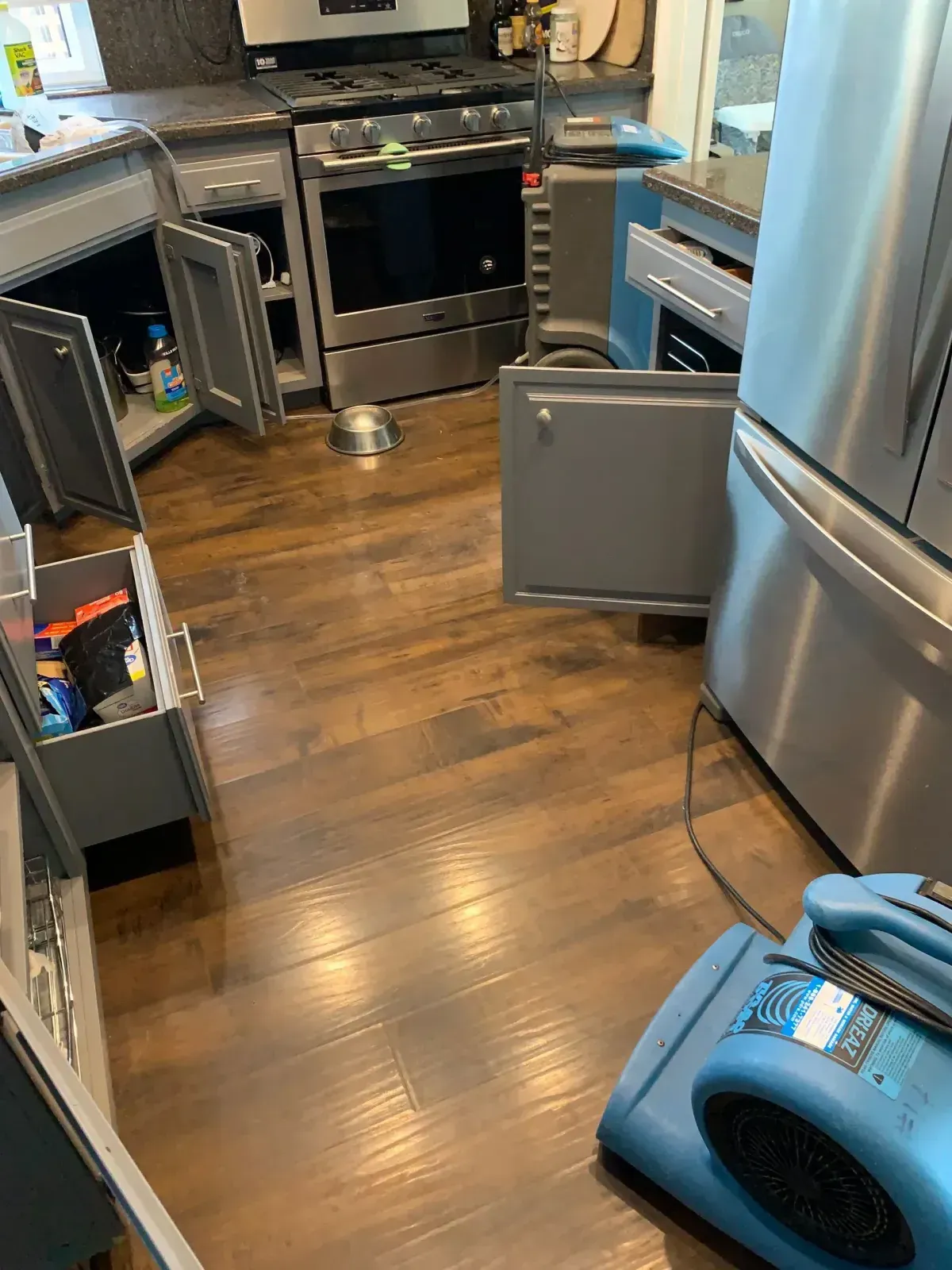
Once water is removed, the focus shifts to drying out the space. Moisture trapped in walls, floors, or furniture can lead to warping and mold. Applying proper structural drying techniques is critical for long-term recovery.
Drying Techniques
Fans and air movers improve air circulation.
Dehumidifiers pull moisture from the air, accelerating the drying process.
Open windows and doors when the weather permits to improve ventilation.
Monitoring Moisture
Use moisture meters to track water levels in walls, floors, and furniture. This ensures all areas are thoroughly dried before moving to cleaning or restoration.
Preventing Secondary Damage
Quick and complete drying prevents structural weakening, mold growth, and long-term damage to your home or business.
Cleaning and Sanitization
Water damage leaves behind contaminants and bacteria. Cleaning and sanitizing affected areas are critical, especially if gray or black water was involved.
Cleaning Affected Surfaces
Hard surfaces like tile, wood, and concrete should be scrubbed and disinfected.
Carpets and upholstery may require deep cleaning or professional treatment.
Furniture and fabrics should be evaluated to determine if restoration is possible.
Disinfecting
Use appropriate disinfectants, especially when dealing with gray or black water.
Mold-prevention sprays or antifungal solutions can help stop future growth.
Handling Salvageable vs. Unsalvageable Items
Items like electronics, mattresses, and some fabrics may be impossible to restore after severe water exposure.
Sort possessions carefully to prevent contamination of salvageable items.
Repairs and Restoration
After cleanup, the space may need repairs to restore it to its original condition. This is the final step of water damage cleanup and ensures your property is safe and fully functional.
Assessing Structural Damage
Walls and drywall may require replacement if swollen or moldy.
Flooring such as wood, laminate, or carpet may need repair or replacement.
Insulation and wood framing should be inspected for hidden moisture damage.
Restoration Steps
Replace damaged materials carefully to maintain structural integrity.
Repaint, refinish, and restore furniture and cabinetry.
Ensure all work complies with safety and building standards.
Long-Term Prevention
Consider installing waterproofing, improved drainage systems, and routine maintenance plans to prevent future water damage.
Insurance and Documentation
Recovering from water damage can be costly, making insurance an important part of water damage cleanup.
Filing a Water Damage Claim
Present your documented evidence clearly to your insurance provider.
Include photos, videos, and an itemized list of damaged belongings.
Understanding Coverage
Typical homeowners’ insurance covers sudden water damage but often excludes gradual leaks or flooding.
Review your policy carefully to understand limits, deductibles, and exclusions.
Record Keeping
Keep all receipts, invoices, and restoration reports for claims and documentation purposes. Proper record-keeping ensures smooth processing of insurance claims for water damage.
Preventive Measures for the Future
Preventing water damage is far easier than repairing it.
Conduct regular maintenance of pipes, appliances, and drainage systems.
Install sump pumps, water alarms, and backflow preventers to detect issues early.
Improve landscaping and drainage to direct water away from your home or building.
Maintain an emergency plan with access to professional water damage restoration services if needed.
Conclusion
Water damage can strike unexpectedly, but knowing how to respond can minimize destruction, save money, and protect your health. Quick action, thorough water damage cleanup, proper drying, and careful restoration are the keys to recovery. Combining immediate response with long-term preventive measures ensures your property remains safe and resilient against future water-related disasters.
By following this ultimate guide, you are equipped to handle water damage efficiently, protect your home, and restore your space to its original condition.
Water damage won’t wait. Call Property Damage Restoration Services for fast response and dependable restoration when it matters most.
FAQs
1. What is the first step in water damage cleanup?
The first step is ensuring safety by turning off the electricity and stopping the water source to prevent further damage.
2. How long does it take to fully dry a water-damaged area?
Drying can take 24–72 hours or longer, depending on water severity and the use of fans, dehumidifiers, and structural drying techniques.
3. When should I call professionals for water damage?
Call professionals for large-scale flooding, black water exposure, or structural damage that requires professional water damage restoration.
4. Can I file insurance claims water damage for minor leaks?
Insurance coverage often depends on the source and severity; minor leaks may not be covered, but sudden, accidental water damage usually is.