How to Respond Fast to a Water Damage Emergency
How to Respond Immediately After a Water Damage Emergency
Water can strike without warning. A pipe bursts in the middle of the night, a storm sends water rushing through your living room, or an overflowing toilet leaves a trail of damage. In those moments, panic often takes over.
The consequences extend beyond wet carpets and ruined furniture. Mold begins forming within hours, electrical hazards increase, and structural damage can escalate if not handled immediately. Every minute counts, and delaying action can turn a small incident into a major repair.
This guide outlines the steps for an effective water damage response. By acting fast, you can reduce property loss, protect your belongings, and save on costly repairs. Following these actions ensures your home stays safe, your family stays healthy, and recovery happens more smoothly.
Step 1: Ensure Safety First
Before touching anything, protect yourself. Water and electricity create a deadly combination.
Turn off electricity and gas: Shut off your breaker and gas supply immediately. Even a small puddle can hide serious risks.
Avoid contaminated water: Floodwater and sewage carry bacteria, chemicals, and other hazards. Keep children and pets away, and only enter with protective gear. This step is critical for safety after flooding.
Evacuate if necessary: If ceilings, walls, or floors appear weakened, leave the area to prevent injury.
Rule of thumb: Before you fight the water, fight for your safety. Following these steps ensures every action you take afterward is safe and effective.
Step 2: Stop the Water Source
Locate the Source
Act quickly to identify where the water is coming from. This could be a burst pipe, a leaking appliance, or a damaged roof. Knowing the source allows you to take immediate action and prevent further spread.
Shut Off the Main Water Supply
Once the source is identified, turn off the main water valve in your home or business. For commercial buildings, follow specific building instructions or consult maintenance personnel. Stopping the main supply minimizes additional water damage.
Temporary Fixes
While waiting for professional help, use buckets or towels to contain the water. If there are secondary valves near the leak, use them to control the flow. Acting fast at this stage is an important part of your water damage response.
Step 3: Document the Damage
Take Photos and Videos
Capture every affected area with your phone or camera. Take both wide shots and close-ups to provide clear evidence for insurance claims.
List Damaged Items
Make a detailed list of all affected items, including high-value and sentimental possessions. Documenting everything ensures nothing is overlooked during the claims process.
Pro Tip
Your phone becomes your strongest insurance tool. Use it to record the damage immediately before cleanup begins, which strengthens your claim and helps protect your investment. This documentation supports a fast water damage response.
Step 4: Remove Excess Water
Use Available Tools
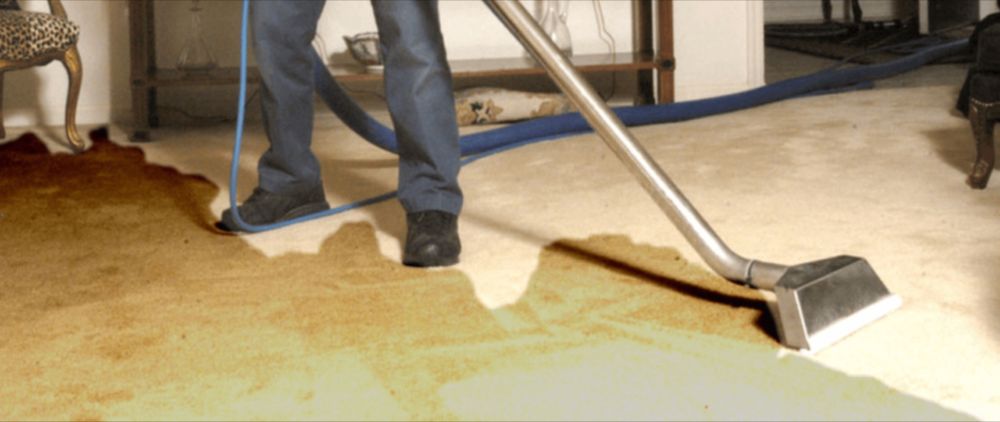
For smaller incidents, mops, towels, and wet/dry vacuums can help remove standing water. Start immediately to limit the amount of water soaking into floors and walls.
Know When to Call Professionals
Avoid DIY methods if the flooding is severe. Large water events can penetrate deep into structural elements, requiring emergency water extraction services.
Quick Tip
Focus on preventing water from seeping deeper into floors, walls, and other surfaces. The faster you remove the excess water, the lower the risk of long-term damage and mold growth. This is a key part of an effective water damage response.
Step 5: Dry and Ventilate
Open Windows and Doors
If it is safe, open windows and doors to improve airflow. Proper ventilation helps speed up the drying process and reduces moisture buildup.
Use Fans and Dehumidifiers
Set up fans and dehumidifiers in affected areas. These tools accelerate drying and protect floors, walls, and furniture from lingering dampness.
Position fans to push air across wet surfaces.
Run dehumidifiers until moisture levels return to normal.
Important Insight
Mold and mildew can possibly begin to grow within 24 to 48 hours. But may require several more days. It’s best to start drying as soon as possible.
Step 6: Prevent Mold Growth
Clean Surfaces
Use disinfectants to remove bacteria, mildew, and other contaminants from affected areas. Cleaning thoroughly reduces health risks and prepares surfaces for drying and restoration.
Move Wet Furniture and Belongings
Relocate furniture, personal items, and valuables to a dry area. Keeping items off wet surfaces prevents additional damage and makes restoration more effective.
Important Note
Mold can possibly begin forming within 24 to 48 hours. Early action is critical to prevent long-term structural damage and health hazards.
Step 7: Call Professionals
Why Professional Restoration Matters
Restoration experts bring experience, advanced equipment, and insurance knowledge. Their expertise ensures the cleanup is safe, efficient, and thorough.
What They Do
Professional teams handle:
Water extraction and drying
Structural repairs and moisture control
Mold and mildew remediation
Content restoration and pack-out services
Pro Tip
Calling experts early can save thousands and protect your home from long-term damage. Prompt intervention reduces repair costs and minimizes the risk of hidden problems. Relying on professionals is a critical component of a successful water damage response and ensures emergency property protection.
Step 8: Notify Your Insurance Provider
Immediate Notification
We will explain to you how to notify and claim with your insurance. Prompt reporting accelerates claims processing and increases your chances of full coverage.
Provide Documented Evidence
Use the photos, videos, and inventory list you created in Step 3. Clear documentation strengthens your claim and reduces delays.
Helpful Tip
Keep a record of all communications, including emails, phone calls, and receipts. This organized approach protects you during the claims process and ensures no detail is overlooked.
Step 9: Keep Track of Repairs and Restoration
Create a Timeline of Services
Document each step of the restoration process, including when work was performed and what was completed. This timeline helps you stay organized and monitor progress.
Check for Lingering Damage
After repairs, inspect your home for hidden leaks, warped flooring, or mold hotspots. Early detection prevents small problems from turning into costly repairs later.
Ensure Warranty or Guarantee Coverage
If you hired professionals, confirm that all work comes with a warranty or guarantee coverage. This provides peace of mind and protection in case issues arise after restoration. Another important step in water damage response is staying on top of repairs.
Step 10: Prevent Future Emergencies
Install Protective Devices
Consider adding leak detectors, sump pumps, and water alarms in vulnerable areas. These devices alert you to problems before they become major emergencies.
Regular Maintenance Checks
Schedule routine plumbing inspections and roof checks to identify potential weaknesses. Proactive maintenance reduces the risk of unexpected water damage.
Important Insight
Turn a water disaster into an opportunity for a safer, smarter home. Taking preventative steps now saves time, money, and stress in the future.
Conclusion
After a water damage emergency, remember the essential steps: ensure safety, stop the water, document the damage, remove excess water, dry and ventilate, prevent mold growth, call professionals, notify your insurance provider, and track repairs.
Prompt action reduces property damage, lowers repair costs, and keeps your home safe and healthy. Acting quickly makes recovery faster and more manageable.
Save this guide for emergencies and contact Property Damage Restoration Services immediately if you face water damage. Schedule a home inspection or restoration service today to protect your property and ensure proper water damage response.
FAQs
1. What is the first step in a water damage response?
The first step is ensuring safety: turn off electricity and gas, avoid contaminated water, and evacuate if necessary.
2. When should I call professionals for water damage?
Call experts immediately for severe flooding or when water has penetrated floors and walls. Professional services include emergency water extraction and restoration.
3. How can I prevent mold after flooding?
Dry affected areas quickly, clean surfaces with disinfectants, and move wet belongings to a dry space. Speed is key for mold prevention after flooding.
4. Do I need to notify my insurance provider immediately?
Yes. Prompt notification with photos and an inventory of damaged items helps speed up claims and ensures proper coverage after our inspection.
5. What steps help prevent future water damage emergencies?
Install leak detectors, sump pumps, and water alarms. Regular plumbing and roof inspections can prevent unexpected damage and improve emergency property protection.