Common Causes of Water Damage and How to Prevent Them
Common Causes of Water Damage and How to Prevent Them
Water damage is one of the most common and costly problems property owners face. It can start with something as small as a dripping pipe or escalate into a major disaster caused by flooding or sewage backup. No matter the source, water damage has the potential to weaken structures, ruin belongings, and create unhealthy living conditions.
Homes and businesses are especially vulnerable because water can spread quickly, seep into hidden areas, and remain unnoticed until the damage becomes severe. Beyond the visible effects like stains and warped materials, moisture can lead to mold growth, electrical hazards, and long-term structural issues.
Understanding what causes water damage and focusing on water damage prevention is essential for protecting your property. This guide explains the most common causes, warning signs to watch for, and practical steps you can take to reduce the risk and avoid expensive repairs through effective damage prevention strategies.
What Is Water Damage?
Water damage refers to the destruction or deterioration of materials caused by unwanted water intrusion. It can affect walls, ceilings, floors, furniture, and even the foundation of a building.
There are three main categories of water damage:
Clean Water: Comes from sources like broken pipes or leaking faucets. It is generally safe but can still cause significant damage if not addressed quickly.
Gray Water: Contains some contaminants, such as water from appliances or sinks. It can pose health risks if left untreated.
Black Water: Highly contaminated water from sewage backups or flooding. This type is dangerous and requires professional handling.
The longer water sits, the more damage it causes. Within hours, materials begin to absorb moisture. Within days, mold can develop. Acting quickly is critical to minimizing harm, which is why water damage prevention should always be a priority.
Common Causes of Water Damage
Plumbing Failures
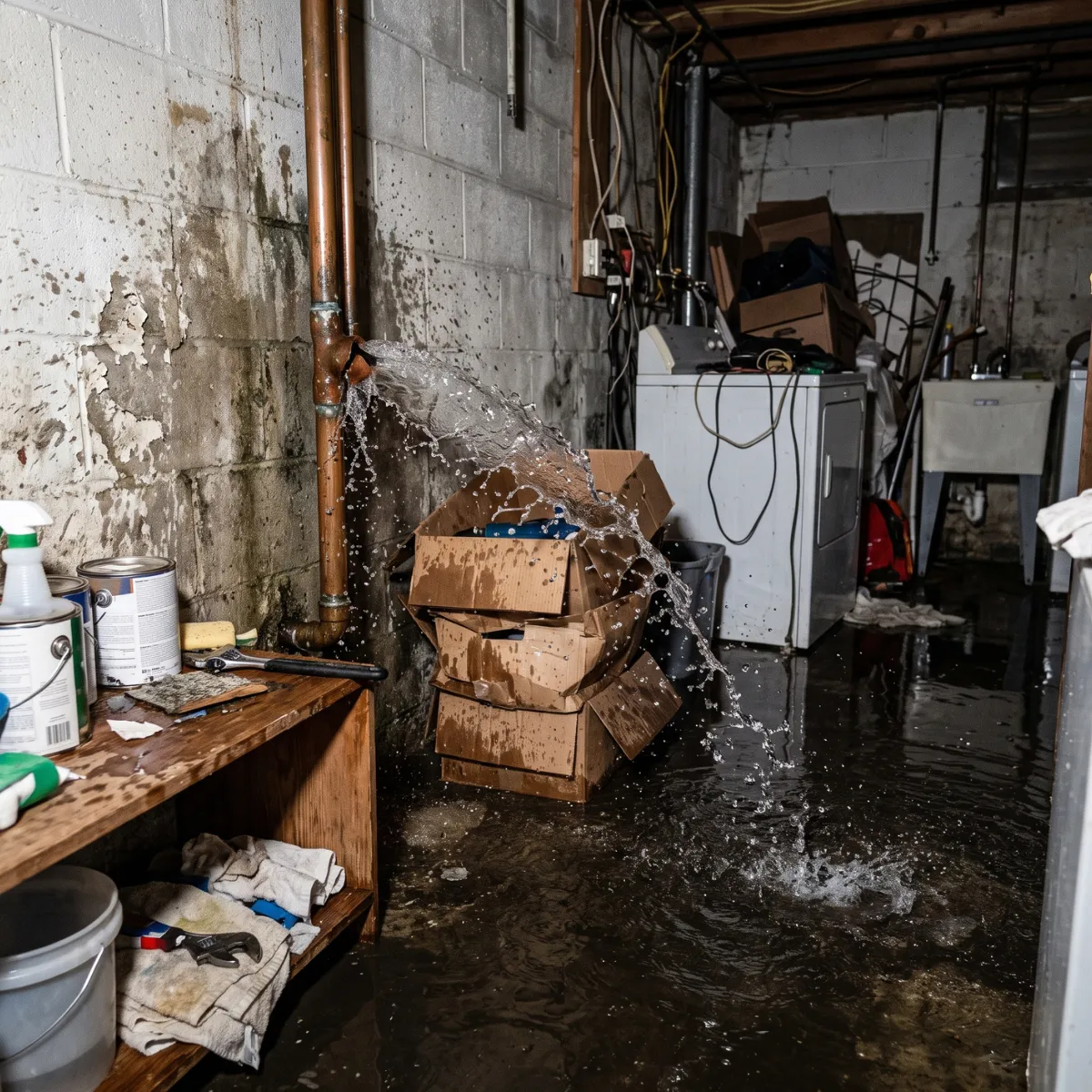
Plumbing issues are among the leading causes of water damage in homes and businesses. Pipes run throughout a property, often hidden behind walls or under floors, making leaks difficult to detect.
Common plumbing-related causes include:
Burst pipes due to freezing temperatures or excessive pressure
Leaking joints and fittings caused by wear and tear
Corroded pipes in older buildings
Loose connections under sinks or behind appliances
Even a slow leak can lead to serious damage over time. Water can seep into structural materials, weaken them, and create an environment for mold growth. Practicing water damage prevention through routine inspections can significantly reduce these risks.
Appliance Malfunctions
Household appliances that use water can fail unexpectedly. When they do, they can release large amounts of water in a short period.
Common culprits include:
Washing machines with worn-out hoses
Dishwashers with faulty seals
Refrigerators with leaking water lines
Water heaters that crack or burst
These issues often occur without warning, especially if appliances are not regularly inspected or maintained.
Roof Leaks
Your roof is the first line of defense against the elements. When it becomes damaged or worn, water can enter your property.
Causes of roof leaks include:
Missing or broken shingles
Damaged flashing around vents and chimneys
Clogged gutters are causing water buildup
Poor installation or aging materials
Roof leaks may start small but can quickly spread, damaging ceilings, insulation, and walls.
Weather-Related Issues
Severe weather is another major cause of water damage. Heavy rain, storms, and flooding can overwhelm even well-maintained properties.
Common weather-related risks include:
Flooding from heavy rainfall
Storm damage to roofs and windows
Snow and ice buildup leading to ice dams
Groundwater seepage during prolonged wet conditions
Properties in low-lying areas or regions prone to storms are particularly at risk. Preparing in advance is essential for strong water damage prevention.
Poor Drainage Systems
Improper drainage can cause water to collect around your property instead of flowing away from it.
This can lead to:
Foundation cracks
Basement flooding
Soil erosion around the structure
Blocked gutters and downspouts can also cause water to overflow and seep into walls and foundations.
HVAC System Issues
Heating, ventilation, and air conditioning systems can also contribute to water damage if not maintained properly.
Common issues include:
Clogged condensate drain lines
Excess condensation buildup
Leaking components
These problems can cause water to accumulate in hidden areas, leading to mold growth and structural damage.
Sewage Backup
Sewage backups are among the most hazardous types of water damage. They occur when wastewater cannot flow properly through the sewer system.
Causes include:
Blocked sewer lines
Tree root intrusion
Heavy rainfall is overwhelming the system
Sewage water contains harmful bacteria and toxins, making professional water damage cleanup essential to restore safety and hygiene.
Warning Signs of Water Damage
Detecting water damage early can prevent major problems. Some signs are obvious, while others are more subtle.
Look out for:
Water stains on walls or ceilings
Peeling paint or bubbling wallpaper
Musty or damp odors
Warped or buckling floors
Mold growth or discoloration
Sudden increase in water bills
Recognizing these early indicators supports effective water damage prevention and helps you take action before issues escalate.
How to Prevent Water Damage
Regular Plumbing Maintenance
Inspect your plumbing system regularly to catch problems early.
Check pipes for leaks or corrosion
Tighten loose connections
Replace old or damaged pipes
Monitor water pressure
Maintain Appliances
Appliances should be inspected and serviced on a regular basis.
Replace worn hoses and seals
Avoid overloading machines
Follow manufacturer maintenance guidelines
Install drip pans where possible
Roof Inspection and Repairs
Routine roof maintenance is essential.
Inspect your roof at least twice a year
Replace damaged shingles promptly
Clean gutters and downspouts
Ensure proper sealing around vents and chimneys
A well-maintained roof is a strong defense against water damage.
Improve Drainage Around Property
Good drainage prevents water from pooling near your home.
Ensure the ground slopes away from the foundation
Install or maintain drainage systems
Keep gutters clear of debris
Extend downspouts away from the building
These steps reduce long-term risks and strengthen your water damage prevention plan.
Install Water Detection Devices
Modern technology can help you detect leaks early.
Use water leak detectors near appliances
Install smart water shut-off systems
Monitor water usage through smart meters
These tools add an extra layer of protection and improve water damage prevention efforts.
HVAC Maintenance
Regular HVAC servicing can prevent moisture buildup.
Clean drain lines
Replace filters regularly
Inspect for leaks or condensation issues
Schedule professional maintenance
Proper HVAC care supports indoor air quality and contributes to water damage prevention.
Prepare for Extreme Weather
Taking precautions before severe weather can make a big difference.
Seal cracks in the foundation
Install a sump pump in flood-prone areas
Use waterproof barriers if necessary
Secure windows and doors
Preparation ensures stronger water damage prevention during unpredictable conditions.
What to Do If Water Damage Occurs
If you experience water damage, quick action is critical.
Stop the water source if possible
Turn off the electricity in affected areas for safety
Remove standing water using mops or pumps
Dry the area thoroughly with fans and dehumidifiers
Move valuable items to a safe location
Document the damage for insurance purposes
In difficult situations, professional water mitigation services can help control damage and prevent further issues.
When to Call a Professional
While minor issues can sometimes be handled on your own, certain situations require expert help.
Call professionals if you notice:
Extensive flooding
Sewage contamination
Persistent moisture or hidden leaks
Mold growth
Structural damage
Experts use advanced tools and techniques for proper water damage restoration and thorough water damage repair, ensuring your property is fully recovered.
Benefits of Preventing Water Damage
Preventing water damage offers several advantages:
Cost savings by avoiding expensive repairs
Protection of property value
Improved indoor air quality
Reduced health risks
Peace of mind knowing your property is secure
A strong focus on water damage prevention helps avoid stress and long-term complications.
Conclusion
Water damage can happen at any time, often without warning. From plumbing failures and appliance leaks to severe weather and drainage issues, the causes are varied but manageable with the right approach.
By staying proactive, performing regular maintenance, and prioritizing water damage prevention, you can protect your home or business from costly damage. Paying attention to warning signs and taking preventive measures ensures your property remains safe, comfortable, and structurally sound.
If water damage does occur, acting quickly and relying on professional support when needed can make a significant difference in recovery, helping restore your space efficiently and safely.
Protect your property today with expert water damage prevention from Property Damage Restoration Services. Call now for fast, reliable help and keep your home safe from costly water damage issues.