Water Damage Restoration vs Repair: Key Differences
Water Damage Restoration vs Repair: What’s the Difference?
Water damage is one of the most stressful and disruptive issues a property owner can face. Whether it’s caused by a burst pipe, heavy rain, sewage backup, or a leaking appliance, water can quickly spread through your home or business, damaging walls, floors, furniture, and even the structural integrity of the building.
When dealing with water damage, two terms are often used interchangeably: restoration and repair. While they may seem similar, they refer to very different stages of the recovery process. Understanding the difference between water damage restoration and water damage repair can help you make informed decisions, save money, and protect your property from long-term damage.
This guide explains both processes in detail, how they work together, and why acting quickly is essential.
What Is Water Damage Restoration?
Water damage restoration is the first and most critical step in addressing water-related issues. It focuses on removing water, drying affected areas, and preventing further damage, such as mold growth or structural weakening.
Definition and Purpose
Restoration refers to the process of bringing your property back to its pre-damage condition by eliminating moisture and contaminants. The primary goal is to stop the damage from spreading and stabilize the environment.
Key Objectives of Restoration
Remove standing water quickly
Dry all affected surfaces and hidden areas
Prevent mold and mildew growth
Sanitize and deodorize the space
Protect structural elements from deterioration
Core Restoration Services
Professional water damage restoration services use specialized tools and techniques to ensure thorough results. Common services include:
Emergency water extraction using powerful pumps and vacuums
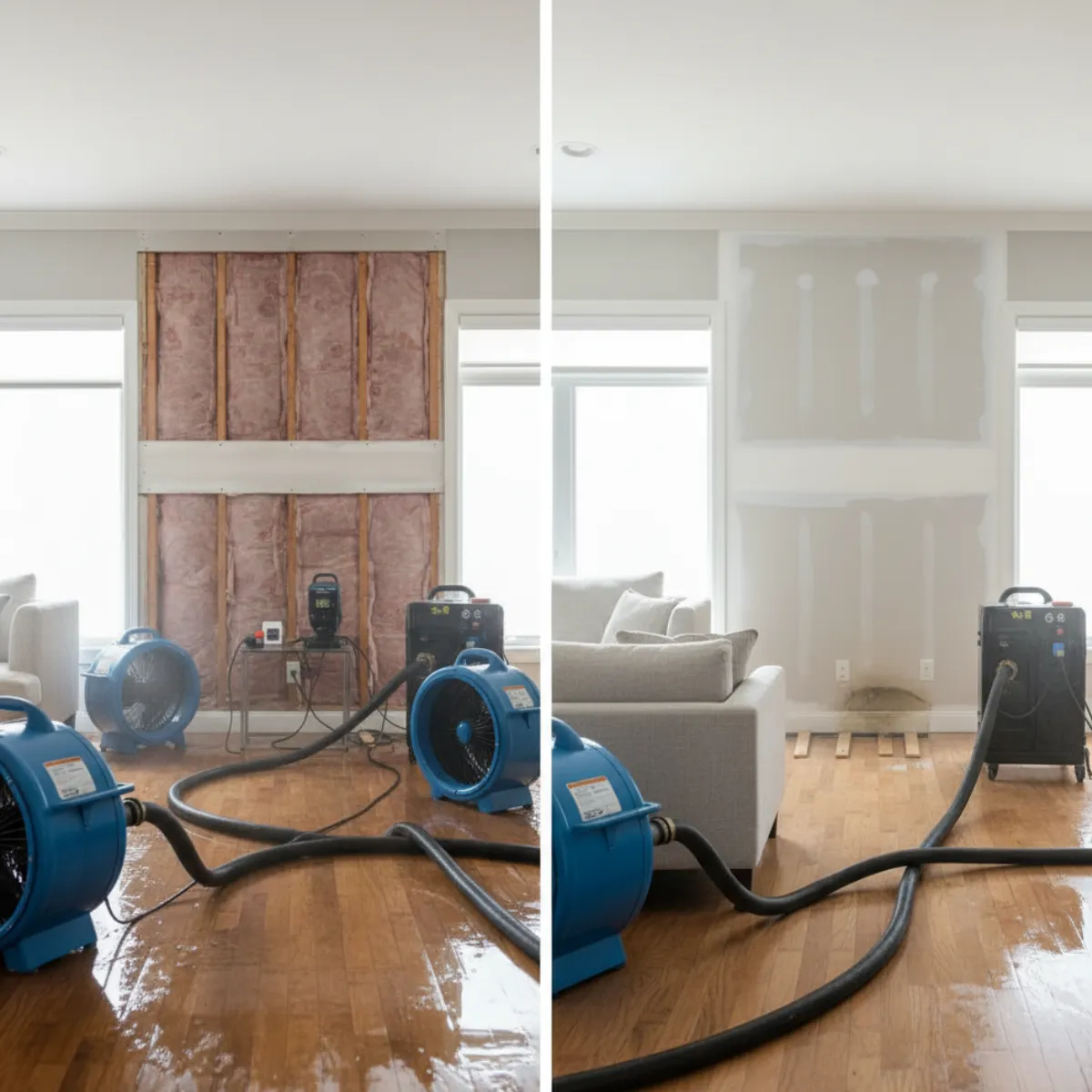
Structural drying with industrial air movers and dehumidifiers
Moisture detection using advanced equipment like thermal imaging cameras
Mold remediation to eliminate spores and prevent regrowth
Sanitization and odor removal for a safe indoor environment
Content pack-out services, where belongings are removed, cleaned, and stored
These steps are also a key part of effective water mitigation services, which focus on reducing further damage as quickly as possible.
When Restoration Is Needed
Restoration is necessary whenever water intrusion affects your property, including:
Flooding due to storms or natural disasters
Overflowing sinks, bathtubs, or toilets
Sewage backups
Burst or leaking pipes
Appliance malfunctions (washing machines, dishwashers, water heaters)
Why Restoration Comes First
Without proper restoration, moisture can remain trapped behind walls, under floors, and inside ceilings. This hidden moisture leads to mold growth, unpleasant odors, and long-term structural damage.
Water damage restoration ensures that your property is clean, dry, and safe before any rebuilding begins.
What Is Water Damage Repair?
Water damage repair is the second phase of the recovery process. Once the property has been fully dried and cleaned, repair focuses on fixing or replacing damaged materials.
Definition and Purpose
Repair involves restoring the physical structure and appearance of your property. It addresses damage that cannot be reversed through drying alone.
Key Objectives of Repair
Restore structural integrity
Replace damaged building materials
Improve safety and functionality
Return the property to its original or improved condition
Common Repair Services
Depending on the severity of the damage, repair work may include:
Drywall replacement and patching
Flooring repair or replacement (carpet, hardwood, tile)
Ceiling repairs
Painting and refinishing
Cabinet and fixture replacement
Plumbing repairs to fix the source of the problem
Electrical system checks and repairs if water exposure occurred
When Repair Is Needed
Repair becomes necessary when:
Materials are warped, swollen, or deteriorated
Structural components are weakened
Surfaces are stained or permanently damaged
Safety hazards are present
Repair Depends on Restoration
It’s important to understand that repair should never begin before restoration is complete. Repairing a damp structure can trap moisture inside, leading to mold growth and repeated damage.
Key Differences Between Restoration and Repair
Understanding the distinction between these two processes helps clarify their roles in water damage recovery.
1. Purpose
Restoration focuses on cleaning, drying, and preventing further damage
Repair focuses on rebuilding and restoring physical structures
2. Timing
Restoration is the first step after water damage
Repair follows once the area is completely dry and safe
3. Scope of Work
Restoration includes water removal, drying, and sanitation
Repair includes construction, replacement, and finishing work
4. Equipment Used
Restoration uses industrial-grade equipment like dehumidifiers and air movers
Repair uses construction tools and materials such as drywall, wood, and paint
5. Cost Impact
Proper restoration can reduce overall costs by preventing further damage
Repairs can become expensive if restoration is delayed or incomplete
Why Both Restoration and Repair Are Essential
Water damage recovery is not complete without both restoration and repair. Each plays a unique role in returning your property to a safe and functional condition.
Restoration Protects Your Property
Stops water from spreading
Prevents mold growth
Preserves as much of the structure as possible
Repair Restores Livability
Fixes visible damage
Improves aesthetics
Ensures structural safety
Skipping restoration or rushing into repairs can lead to serious issues, including hidden moisture, recurring mold, and costly future repairs.
The Complete Water Damage Recovery Process
A professional water damage recovery process typically follows these steps:
Step 1: Inspection and Assessment
Technicians assess the extent of the damage using moisture meters and thermal imaging. This step helps create a targeted plan of action.
Step 2: Water Removal
Standing water is extracted quickly using pumps and vacuums as part of water damage cleanup, ensuring the area is safe for further treatment.
Step 3: Drying and Dehumidification
Industrial air movers and dehumidifiers are used to dry surfaces and remove moisture from the air. This step may take several days, depending on the severity.
Step 4: Cleaning and Sanitizing
Affected areas are cleaned and disinfected to eliminate bacteria, mold spores, and odors. Specialized treatments may be used for sewage contamination.
Step 5: Repairs and Reconstruction
Once the property is completely dry, repair work begins. Damaged materials are replaced, and the space is restored to its original condition.
Key Differences Between Restoration and Repair
Although both processes are connected, they serve different purposes.
Restoration | Repair |
Focuses on water removal and drying | Focuses on fixing and rebuilding |
Prevents further damage | Restores structure and appearance |
Happens immediately after damage | Happens after drying is complete |
Uses drying and moisture equipment | Uses construction tools and materials |
Helps reduce overall costs | May involve higher costs if delayed |
Risks of Delaying Restoration or Repair
Delaying action after water damage can lead to serious consequences:
Mold Growth
Mold can begin growing within 24 to 48 hours, posing health risks and requiring extensive remediation.
Structural Damage
Water weakens wood, drywall, and other materials, potentially compromising the stability of your property.
Higher Costs
The longer water sits, the more damage it causes, leading to more expensive repairs.
Health Hazards
Contaminated water, especially from sewage backups, can introduce harmful bacteria and toxins.
Professional Restoration vs DIY
While some minor water issues can be handled on your own, most situations require professional help.
Benefits of Hiring Professionals
Access to advanced equipment
Faster and more efficient drying
Accurate moisture detection
Proper sanitation and mold prevention
Assistance with insurance claims
When DIY May Be Suitable
Small spills or minor leaks
Areas that can be dried quickly and thoroughly
However, even small issues can escalate if not handled correctly.
Insurance and Water Damage
Water damage is often covered by insurance, but coverage depends on the cause.
What Insurance Typically Covers
Sudden and accidental damage (burst pipes, appliance leaks)
Storm-related flooding (in some cases)
What May Not Be Covered
Gradual leaks due to neglect
Lack of maintenance
Tips for Insurance Claims
Document the damage with photos and videos
Act quickly to prevent further damage
Work with professionals who can assist with documentation
How to Choose the Right Company
Selecting a reliable water damage restoration company is crucial.
What to Look For
Years of experience
24/7 emergency services
Certified and trained technicians
Positive customer reviews
Ability to handle both restoration and repair
Experience working with insurance providers
A full-service company can handle the entire process, saving you time and stress.
Preventing Future Water Damage
While not all water damage can be avoided, you can reduce your risk with proper maintenance.
Preventive Measures
Inspect plumbing regularly
Maintain your roof and gutters
Install water leak detectors
Ensure proper drainage around your property
Monitor appliances for signs of wear
Being proactive can save you from costly damage and repairs.
Conclusion
Water damage restoration and repair are two distinct but equally important parts of the recovery process. Restoration focuses on removing water, drying affected areas, and preventing further damage, while repair involves rebuilding and restoring your property’s structure and appearance.
Acting quickly after water damage occurs is critical. Proper water damage restoration ensures that your property is safe and free from hidden moisture, while repair brings your space back to its original condition. Together, these processes provide a complete solution for recovering from water damage and protecting your investment.
If you ever face water damage, taking immediate action and relying on professional water damage restoration experts can make all the difference in minimizing damage, reducing costs, and restoring peace of mind.
Need fast and reliable water damage restoration? Contact Property Damage Restoration Services today for expert help. We respond quickly to protect your home, minimize damage, and restore your property.