Sewage Backup Cleanup Services: Homeowner Checklist Guide
What to Do After a Sewage Backup: A Complete Homeowner’s Checklist
A sewage backup is one of the most stressful and hazardous emergencies a homeowner can face. Within minutes, clean living spaces can turn into contaminated zones filled with harmful bacteria, foul odors, and potential structural damage. The situation becomes even more overwhelming when you are unsure what steps to take next.
This is where sewage backup cleanup services become essential. Acting quickly and following the right process can protect your health, reduce repair costs, and restore your home safely. Whether the issue is minor or a full-scale emergency sewage backup, having a clear plan ensures you stay in control.
This detailed guide provides everything you need to know, from immediate safety actions to long-term prevention, so you can handle the situation with confidence and clarity.
Understanding Sewage Backup and Its Risks
Before taking action, it is important to understand what causes sewage backups and why they are so dangerous.
Common Causes of Sewage Backup
Sewage backups typically occur when wastewater cannot flow properly through your plumbing system. The most common causes include:
Blocked pipes
Grease, soap residue, and debris accumulate over time
Flushing non-degradable items like wipes or hygiene products creates severe clogs
Tree root intrusion
Roots grow into underground pipes searching for moisture
This can lead to cracks, blockages, and pipe collapse
Heavy rainfall or flooding
Sewer systems can become overwhelmed
Excess pressure forces wastewater back into homes
Old or damaged sewer lines
Aging pipes corrode or break
Structural damage disrupts normal drainage
Understanding the root cause helps professionals carry out effective sewage backup removal and prevent future incidents.
Health Risks You Should Take Seriously
Sewage water contains harmful contaminants that pose serious health risks.
Bacteria and viruses
Can cause infections, stomach illnesses, and skin conditions
Airborne pollutants
Increase the risk of respiratory problems
Mold growth
Develops quickly in damp environments
Because of these risks, professional sewage backup cleanup services are strongly recommended to ensure proper sanitation and safety.
Immediate Actions to Take After a Sewage Backup
The first few steps you take can significantly reduce damage and protect your household.
1. Ensure Safety First
Safety should always be your top priority.
Evacuate the affected area immediately
Keep children and pets away
Avoid direct contact with contaminated water
Turn off the electricity if water is near the outlets
In many cases, contacting sewage backup cleanup services early can help prevent further exposure and damage.
2. Stop Using Water Immediately
Continuing to use water will worsen the situation.
Do not flush toilets
Avoid using sinks or appliances
Limit water usage throughout the house
Reducing water flow helps prevent additional backup and contamination.
3. Identify the Source (If Safe)
If conditions allow, try to understand the scope of the issue.
Check multiple drains and fixtures
Look for basement flooding or overflow
Listen for unusual pipe noises
This information will help professionals respond more efficiently when performing sewage backup removal.
Call the Right Professionals
Handling sewage damage requires expertise, proper equipment, and strict safety measures.
4. Contact a Licensed Plumber
A plumber will identify and fix the root cause.
Inspect pipes and sewer lines
Use advanced tools like cameras
Clear blockages or repair damage
This step ensures the problem does not return after cleanup.
5. Hire Professional Cleanup Experts
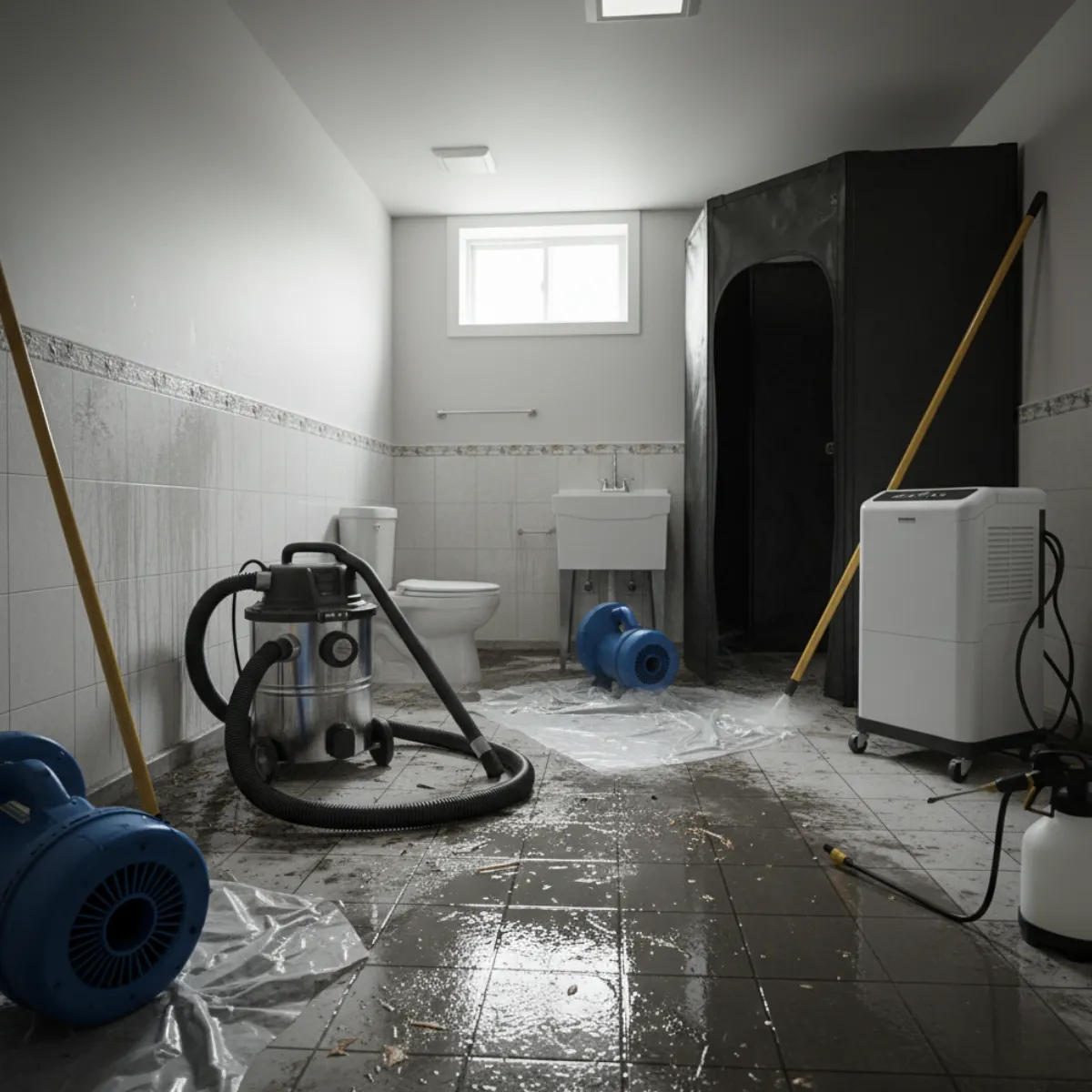
Professional sewage backup cleanup services are critical for restoring your home safely.
Remove contaminated water
Sanitize affected areas
Use industrial drying equipment
Eliminate harmful bacteria and odors
These experts follow industry standards to ensure your home is safe for occupancy.
6. Notify Your Insurance Company
Dealing with insurance early can reduce financial stress.
Take photos and videos of the damage
Document all affected items
Contact your insurance provider
Professional sewage damage restoration companies can often assist with documentation and claims.
Cleaning and Sanitizing the Affected Area
If you begin cleanup yourself, take proper precautions.
7. Wear Protective Gear
Protect yourself before entering contaminated areas.
Gloves and boots
Face masks
Protective eyewear
Avoid direct exposure at all times.
8. Remove Standing Water
Removing water quickly reduces damage.
Use pumps or wet vacuums
Avoid spreading contaminated water
Increase airflow if possible
For larger situations, rely on sewage backup cleanup services for safe and efficient removal.
9. Dispose of Contaminated Items
Certain materials cannot be saved.
Carpets and padding
Upholstered furniture
Mattresses
Damaged drywall
Proper disposal is a key part of effective sewage backup removal.
10. Deep Clean and Disinfect
Thorough cleaning is essential.
Use strong disinfectants
Scrub all surfaces carefully
Focus on hidden and hard-to-reach areas
Professional sewage damage restoration ensures all contaminants are eliminated.
Drying and Preventing Mold Growth
Moisture control is critical after cleanup.
11. Dry the Area Completely
Use fans and dehumidifiers
Open windows if possible
Remove damp materials quickly
Professional sewage backup cleanup services use advanced drying equipment to speed up this process.
12. Inspect for Mold
Watch for early signs of mold growth.
Musty odors
Discoloration on surfaces
Visible mold patches
Addressing mold early prevents further health risks and damage.
Repairing and Restoring Your Home
After cleaning and drying, repairs can begin.
13. Repair Structural Damage
Replace damaged flooring
Install new drywall
Restore insulation
Professional sewage damage restoration ensures your home is safe and fully repaired.
14. Inspect the Plumbing System
Before returning to normal use:
Check pipes for damage
Ensure proper drainage
Fix any underlying issues
This step is essential for long-term sewer backup prevention.
Preventing Future Sewage Backups
Taking preventive measures can save you from future stress.
15. Maintain Your Plumbing System
Avoid flushing inappropriate items
Dispose of grease properly
Schedule routine maintenance
16. Install Preventive Devices
Backwater valves to stop reverse flow
Sump pumps for excess water management
17. Schedule Regular Inspections
Regular inspections help identify problems early and support effective sewer backup prevention strategies.
Homeowner’s Quick Checklist
Here is a quick summary to follow during an emergency:
Ensure safety and evacuate
Stop all water usage
Identify the issue if possible
Call a plumber and cleanup professionals
Document damage for insurance
Wear protective gear
Remove water and dispose of damaged items
Clean and disinfect thoroughly
Dry the area completely
Repair and restore your home
Take preventive measures
Conclusion
A sewage backup can be overwhelming, but taking the right steps quickly can make a significant difference. By focusing on safety, acting fast, and relying on professional sewage backup cleanup services, you can minimize damage and restore your home efficiently.
From immediate response to long-term sewer backup prevention, being prepared helps you handle emergencies with confidence. With the right approach and expert support, your home can return to a safe and healthy condition without unnecessary delays or complications.
Don’t wait until the damage gets worse. Contact 3T Warrior Academy for trusted sewage backup cleanup services today to restore your home safely, prevent future issues, and get expert support when you need it most.
FAQs
1. How quickly should I act after a sewage backup?
You should act immediately. Delays can increase contamination, structural damage, and health risks. Calling professional sewage backup cleanup services right away helps minimize damage and speeds up recovery.
2. Can I clean sewage backup myself?
Small incidents may be manageable with protective gear, but most cases require professionals. Sewage contains harmful bacteria, and improper cleaning can leave your home unsafe.
3. Does homeowners' insurance cover sewage backup?
Coverage depends on your policy. Some plans include it, while others require additional coverage. It is important to check with your provider and document all damage properly.