Burst Pipe | Property Damage Restoration Services
Burst Pipe Water Damage: What to Do Before Cleanup Begins
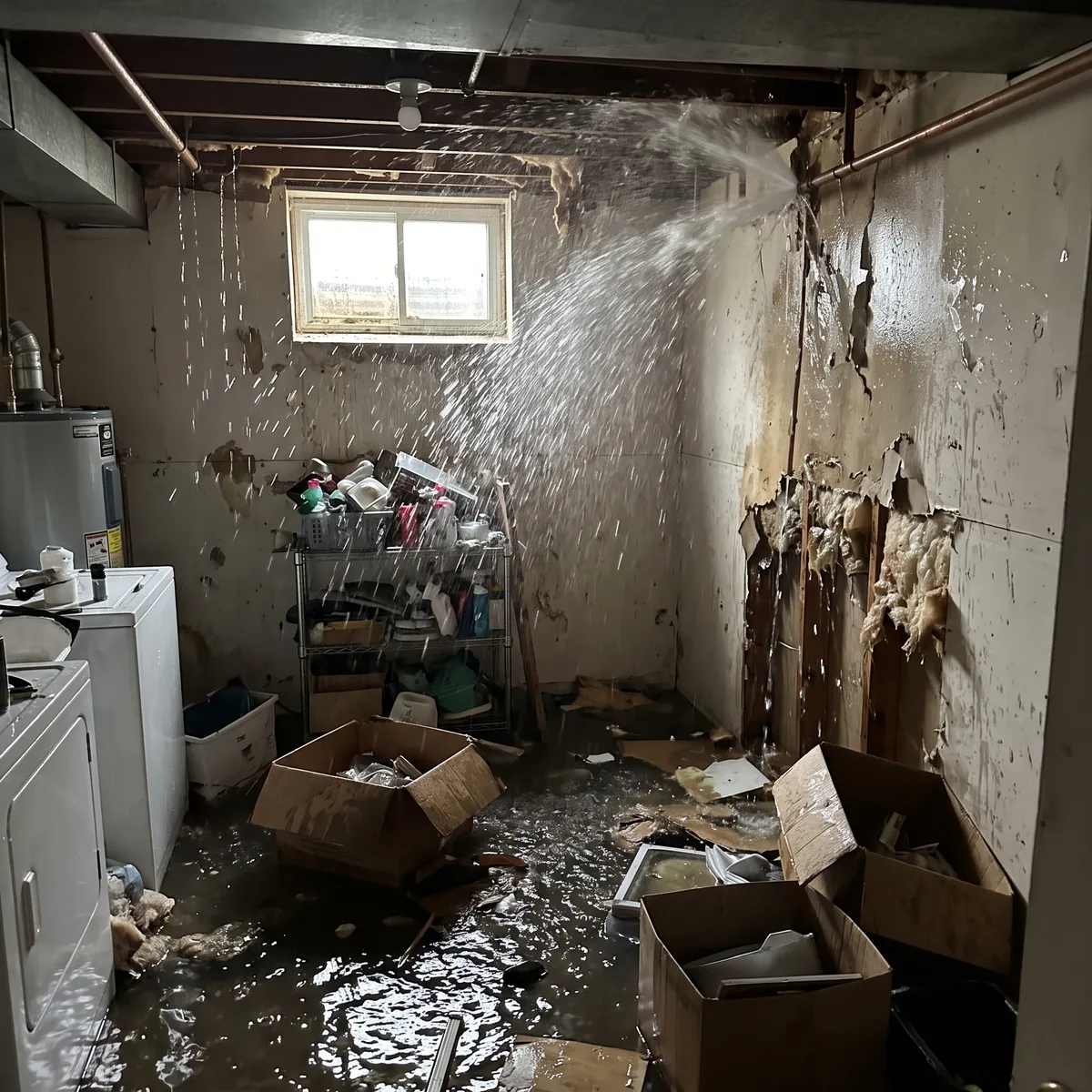
A burst pipe can release a surprising amount of water in a short time. A supply line may fail beneath a sink, behind a wall, near a water heater, or in another part of a property. Floors, belongings, and building materials can become wet before the source is discovered. When burst pipe water damage occurs, the priorities are to protect people, stop additional water from entering the property when it is safe, and arrange appropriate cleanup.
The right response depends on where the pipe has failed and whether the area is safe to enter. The steps below focus on a burst pipe specifically. For a broader emergency checklist, read our water damage emergency response guide.
What to Do Immediately When a Pipe Bursts
Protect people first. Keep children, visitors, and pets away from flooded areas, especially where water is near outlets, appliances, cords, or electrical panels.
Locate the main water shutoff if it is safe. Common locations include near where the main water line enters the home, in a basement or utility area, in a garage, or near the water meter. Locations vary by property. If you cannot reach the valve without entering standing water or approaching an electrical hazard, stay clear and call for qualified help.
Turn off the supply only if you can do so safely. If the valve is accessible and safe to operate, close it to stop more water from entering the plumbing system. Do not force a stuck valve or take risks to reach it.
Open faucets after the supply is shut off, if safe. Opening cold and hot faucets can help drain remaining water from the lines. Avoid touching faucets or fixtures in an area with electrical hazards, and do not delay emergency help to complete this step.
Consider the water heater. If the home’s water supply has been shut off, follow the manufacturer’s instructions for the specific water heater. Gas and electric models have different shutoff procedures. If you are unsure, do not experiment with controls. Contact a qualified plumber or utility professional.
Avoid electrical hazards. Do not touch wet outlets, appliances, cords, or electrical panels. If electricity may be affected, keep away and contact the appropriate utility or a qualified electrician.
Move only what you can handle safely. Small, dry items away from the water may be moved. Avoid lifting heavy, waterlogged furniture or handling wet electronics.
Call for professional cleanup promptly. Water can travel beneath flooring, into wall cavities, and into other concealed spaces, so visible puddles may not show the full extent of the problem.
Burst Pipe Water Damage: Why Drying Matters
Water does not always remain where it first appears. It can travel beneath flooring, soak carpet padding, enter gaps around cabinets, and be absorbed by drywall, insulation, and wood-based materials. If moisture remains, materials may swell or deteriorate, and conditions may develop that support mold growth.
The U.S. Environmental Protection Agency recommends drying wet or damp materials within 24 to 48 hours when possible to help prevent mold growth. This is a general prevention target, not a guarantee. The time needed to dry a property depends on the amount of water, the materials involved, and the conditions at the site. Read the EPA’s mold and moisture guidance.
Removing visible water is only one part of the process. Depending on the incident, cleanup may also involve moisture checks, water extraction, air movement, dehumidification, and follow-up readings to assess drying progress.
What to Document Before Cleanup Begins
If it is safe and will not delay urgent action, take a few photos or short videos before items are moved. For a burst pipe, prioritize recording the apparent source and the areas affected. Keep a note of when the water was first noticed and when the supply was shut off. Do not put yourself at risk or delay necessary cleanup to complete documentation.
Photograph the visible source only if it is safe to approach.
Capture a few wide views showing the affected rooms and close-ups of wet materials or damaged belongings.
Write down when the water was first noticed and what steps were taken to stop it.
Keep receipts for emergency expenses and save relevant communications with your insurer, landlord, or restoration provider.
Why the Source and Extent of Moisture Need to Be Assessed
A dry-looking surface does not necessarily mean the materials beneath it are dry. Water may collect under flooring, behind baseboards, inside cabinets, or within wall and ceiling assemblies. Moisture detection tools can help identify areas that need further assessment.
At PDRS, we provide water damage restoration and moisture detection services, including thermal imagery. Infrared images show temperature patterns rather than water itself, so the findings need to be considered alongside appropriate moisture measurements. Learn more about our water damage restoration services and moisture detection and thermal imagery.
What Professional Water Extraction and Drying May Involve
The work required depends on the volume of water, the materials affected, how long they have been wet, and whether the water is clean or contaminated. A professional response may include:
Initial assessment: Reviewing the affected areas, discussing what happened, and identifying visible damage and places where moisture may have spread.
Water extraction: Removing standing water with appropriate equipment where conditions allow.
Moisture checks and drying setup: Using moisture readings to help guide the placement of air-moving and dehumidification equipment.
Progress monitoring: Checking whether moisture levels are decreasing and whether the drying approach needs adjustment.
Cleaning and next steps: Explaining any additional cleaning, material handling, or restoration steps that may be appropriate for the affected property.
Common Mistakes to Avoid After a Burst Pipe
Assuming a small puddle means the damage is limited.
Using household electrical equipment in or near standing water.
Running fans or other equipment before electrical safety has been established.
Sealing damp materials behind new finishes before their condition has been assessed.
Assuming insurance will cover every cost. Confirm the terms of your policy with your carrier.
When to Contact an Emergency Restoration Company
Contact a water damage restoration professional when water has spread beyond a small, easily managed area, reached flooring or walls, affected multiple rooms, or soaked belongings and building materials. Professional assessment is also worth considering when the source is uncertain or moisture may have entered concealed spaces. If the water may contain sewage or other contaminants, avoid contact and seek specialized cleanup rather than attempting to handle it yourself.
Property Damage Restoration Services has served Ventura County and surrounding areas since 1997 and offers 24/7 emergency water damage services. If a burst pipe has left your home or business wet, call or text us at 805-750-3902 or visit https://pdrs.com/water-damage-restoration to discuss the situation and next steps.
Conclusion
A burst pipe can cause damage quickly, but a calm, safety-first response helps you focus on the right priorities. Protect people, stop the water supply only when safe, document the affected areas if possible, and arrange cleanup when water has spread into flooring, walls, or other materials. Water extraction and monitored drying can address moisture that remains after visible water is gone.
Need help after burst pipe water damage? Property Damage Restoration Services provides 24/7 emergency water damage cleanup in Ventura County and surrounding areas. Call or text 805-750-3902, or visit https://pdrs.com/water-damage-restoration.
FAQs
What should I do first after a pipe bursts?
Keep people away from unsafe areas, shut off the water only if the valve is safe to reach, and avoid electrical hazards. Call qualified help if you cannot safely control the source.
Can water damage be present when the floor looks dry?
Yes. Moisture can travel beneath flooring or into walls, cabinets, and other concealed areas. Appropriate moisture checks can help identify places that need further attention.
How long does burst pipe water damage cleanup take?
The timeline depends on how much water escaped, which materials were affected, how long they remained wet, and the drying conditions. A site assessment is needed to estimate the scope.
Should I start drying the area myself?
Only take steps that are safe. Stay away from electrical hazards and do not use equipment in wet areas until safety is established. Larger losses or moisture inside building materials may require professional extraction and drying.
Does homeowners insurance cover burst pipe water damage?
Coverage depends on the policy, the circumstances of the loss, applicable exclusions, and the insurer’s assessment. Contact your carrier to understand your specific coverage.