
Water Damage Claims | Property Damage Restoration Services
Water Damage Insurance Claims: What to Document Before Cleanup
Discovering water damage in your home or business can leave you managing several things at once: protecting people, limiting further damage, arranging cleanup, and contacting your insurance company. Water damage insurance claim documentation can help you keep the details organized while you focus on the property’s immediate needs.
Photos, notes, receipts, and restoration records may help explain what happened and what work was performed. They do not guarantee that a claim will be approved. Coverage depends on the policy and the insurer’s assessment. The steps below focus on organizing a useful record and knowing which questions to ask your carrier.
What to Do First When Water Damage Occurs
Safety and limiting ongoing damage come before paperwork. If water is actively entering the property, address the source only when it is safe and seek appropriate emergency help. Stay away from water near electrical equipment, and do not enter areas that may be structurally unsafe or contaminated.
Protect occupants and keep them away from unsafe areas.
Stop the source only if it is safe to do so. Otherwise, contact qualified assistance.
Arrange emergency water damage cleanup when water has spread into rooms, flooring, walls, or belongings.
Notify your insurance carrier as soon as practical and ask about its reporting process and documentation requirements.
Keep a simple timeline of when the damage was discovered and what actions followed.
For general emergency priorities, read our water damage emergency response guide.
Organizing Water Damage Insurance Claim Documentation
You do not need a complicated system. Create one digital folder or paper file for the incident, then keep records together as they become available. Use dates and clear file names so you can find items when speaking with the insurer or adjuster.
Photos and videos
Keep original files where possible. Include a few wide views of the affected areas and close-ups that show the visible condition of materials or belongings. Take images only when safe, and do not delay necessary cleanup to complete them.
Timeline and notes
Record when you first noticed the damage, what you know about the source, when the water was stopped if known, which areas were affected, and who you contacted. If a detail is uncertain, label it as unknown instead of guessing.
Receipts and invoices
Keep receipts for reasonable emergency expenses and temporary protective measures. Save estimates, invoices, and work descriptions from service providers.
Communications
Keep emails, letters, claim reference details, and notes from calls with the insurer or adjuster. Record the date of each conversation and any next steps you were given.
Affected belongings
Make a list of damaged items with brief descriptions and available purchase information for higher-value belongings. Do not guess at values or dates.
Carrier instructions
Save any directions about inspections, approvals, forms, or additional documents. If the carrier asks you to submit records in a specific way, note that requirement.
Before discarding damaged belongings or making major non-emergency changes, ask whether your insurer needs to inspect them. Do not leave an unsafe condition or ongoing water problem unaddressed while waiting for an inspection. If an item must be removed promptly for safety or urgent cleanup, photograph it first when safe and keep a record of what was removed and why.
How Restoration Records May Help
Professional water damage cleanup may produce an assessment of affected areas, moisture readings, photos, a description of the work performed, and records of drying progress. Ask your restoration provider which records are available and how they will be shared.
At Property Damage Restoration Services, we provide water damage restoration, cleanup, and drying services, and we work with insurance carriers. The exact records available depend on the work performed and the circumstances of the loss. Ask our team what documentation can be provided for your situation, and ask your insurer which items it needs.
Restoration documentation can help describe the condition of a property and the work performed, but it does not determine coverage. Your insurer makes claim decisions under the terms of your policy. PDRS cannot guarantee claim approval or reimbursement.
If hidden moisture is a concern, learn more about our moisture detection and thermal imagery. Thermal images show temperature patterns and should be interpreted alongside appropriate moisture assessment methods.
Questions to Ask Your Insurance Carrier
Policies and claim requirements differ. Consider asking your carrier:
What is the process for reporting this type of water damage?
Are there specific photos, forms, or records you need from me?
Do you need to inspect the property before particular non-emergency work begins?
Which emergency measures should I take while the claim is being reviewed?
What deductible, exclusions, limits, or documentation requirements may apply?
How should I submit invoices and additional records as cleanup progresses?
Who should I contact if I discover additional affected areas after the initial report?
Why You Should Not Delay Urgent Cleanup for Paperwork
Standing water and wet materials can continue to deteriorate while a property owner waits for every document to be collected. Take reasonable photos and notes when it is safe, but do not put people at risk or leave an active water problem unaddressed just to finish documenting it.
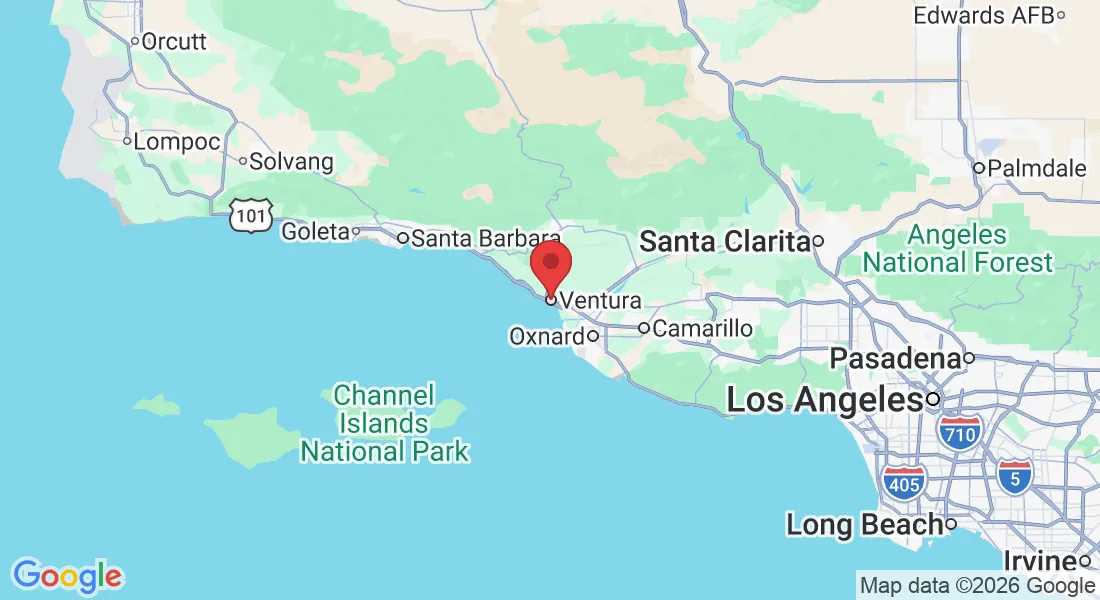
Contact your insurer promptly to ask about inspections or approvals, while following essential safety measures and taking reasonable steps to limit further damage. PDRS provides 24/7 emergency water damage services in Ventura County and surrounding areas. Learn more about our water damage restoration services.
Common Documentation Mistakes to Avoid
Waiting too long to notify the insurer about the incident.
Assuming a photo alone proves the cause, full extent, or coverage of the damage.
Throwing away receipts, invoices, or communication records.
Guessing about dates, costs, or the source of water instead of identifying what is known and unknown.
Assuming all water incidents are covered under the same policy terms.
Delaying necessary emergency cleanup while trying to create a complete file.
Conclusion
Good water damage insurance claim documentation can make it easier to explain an incident and keep communications organized. Keep photos, notes, receipts, invoices, and carrier instructions together. Ask your insurer which requirements apply to your policy, and do not delay urgent safety measures or necessary cleanup to complete paperwork.
Need help after water damage? Property Damage Restoration Services provides 24/7 emergency water damage cleanup in Ventura County and surrounding areas. Call or text 805-750-3902, or visit https://pdrs.com/water-damage-restoration to learn about our services.
FAQs
What should I include in water damage insurance claim documentation?
Keep photos, a timeline, receipts, invoices, communications with the carrier, and any instructions about inspections or additional records. Ask your insurer which items it specifically requires.
Should I wait for the insurance adjuster before cleanup begins?
Do not delay urgent safety measures or necessary action to limit ongoing damage. Contact your insurer as soon as practical and ask whether it needs to inspect the property before particular non-emergency work begins.
Does insurance cover every type of water damage?
No single answer applies to every policy. Coverage depends on the source and circumstances of the water, policy wording, exclusions, limits, and the insurer’s assessment.
Can a restoration company help with insurance documentation?
A restoration provider may be able to supply assessment records, photos, work descriptions, or drying documentation. Ask what is available and confirm claim requirements directly with your insurer.
Will working with a restoration company guarantee claim approval?
No. Restoration records and billing arrangements do not guarantee coverage or reimbursement. The insurer makes decisions based on the policy and details of the loss.